feedzop-word-mark-logo
searchLogin
Feedzop
homeFor YouUnited StatesUnited States
You
bookmarksYour BookmarkshashtagYour Topics
Trending
trending

San Francisco power outage

trending

Elko denies Saban claim

trending

Mbappe equals Ronaldo's Real record

trending

College Football Playoff matchups

trending

Jon Sumrall father George dies

trending

Xavi Simons red carded

trending

Marcus Mariota injured, replaced

trending

Miami Hurricanes playoff contention

trending

Texas A&M vs Miami

Terms of UsePrivacy PolicyAboutJobsPartner With Us

© 2025 Advergame Technologies Pvt. Ltd. ("ATPL"). Gamezop ® & Quizzop ® are registered trademarks of ATPL.

Gamezop is a plug-and-play gaming platform that any app or website can integrate to bring casual gaming for its users. Gamezop also operates Quizzop, a quizzing platform, that digital products can add as a trivia section.

Over 5,000 products from more than 70 countries have integrated Gamezop and Quizzop. These include Amazon, Samsung Internet, Snap, Tata Play, AccuWeather, Paytm, Gulf News, and Branch.

Games and trivia increase user engagement significantly within all kinds of apps and websites, besides opening a new stream of advertising revenue. Gamezop and Quizzop take 30 minutes to integrate and can be used for free: both by the products integrating them and end users

Increase ad revenue and engagement on your app / website with games, quizzes, astrology, and cricket content. Visit: business.gamezop.com

Property Code: 5571

Home / Environment / Daubenton's Bats Hibernate a Full Month Earlier as Winters Warm

Daubenton's Bats Hibernate a Full Month Earlier as Winters Warm

4 Nov

Summary

  • Daubenton's bats now hibernate 4 weeks earlier than 13 years ago
  • Bats not gaining enough fat to support longer hibernation period
  • Natterer's bats adapting by shortening hibernation as winters become milder
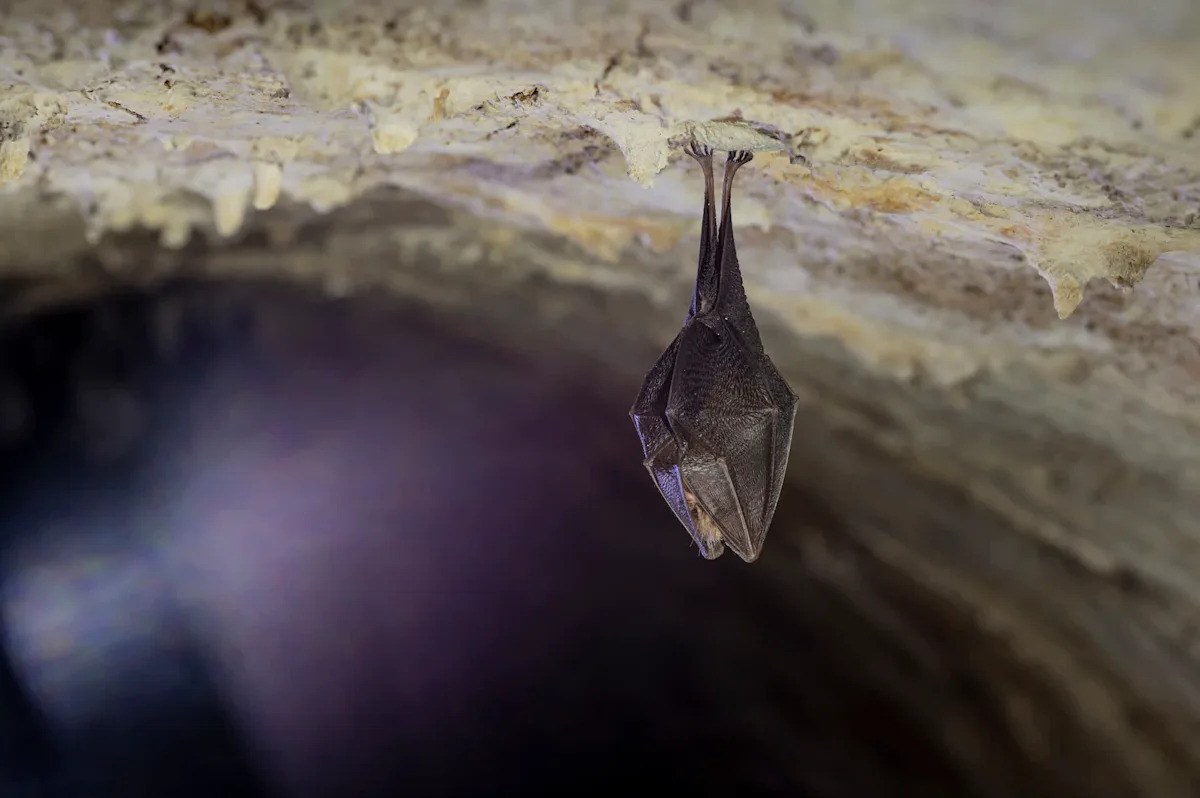
Daubenton's Bats Hibernate a Full Month Earlier as Winters Warm

As the nights grow longer across Europe, researchers have observed a concerning shift in the hibernation patterns of Daubenton's bats. According to a study conducted by scientists at the University of Greifswald, these bats are now entering hibernation up to four weeks earlier than they did 13 years ago.

The findings are particularly troubling because Daubenton's bats are not gaining additional fat reserves to support the extended hibernation period. This could make it increasingly difficult for the bats to survive the winter as seasonal patterns continue to change due to the effects of climate change.

In contrast, another bat species, Natterer's bats, is adapting in the expected direction by shortening its hibernation as winters become milder. "As temperatures are continuing to rise, the contrasting hibernation strategies could have a significant impact on the long-term survival of the species we studied," said study co-lead author Frauke Meier.

The timing shift is closely tied to food availability, as Daubenton's bats feed primarily on aquatic insects that now hatch earlier in the year due to rising water temperatures. By autumn, fewer insects remain, forcing the bats to enter hibernation sooner. Younger bats are particularly vulnerable, as they typically enter hibernation later than adults, further reducing their chances of survival.

Bats play a crucial role in both ecosystems and human life, controlling insect populations that threaten crops and spread disease. A decline in their numbers could have far-reaching consequences, underscoring the importance of conservation efforts to protect these essential creatures.


Disclaimer: This story has been auto-aggregated and auto-summarised by a computer program. This story has not been edited or created by the Feedzop team.
Daubenton's bats in Germany are now entering hibernation up to four weeks earlier than they did 13 years ago, as the aquatic insects they feed on are hatching earlier due to rising water temperatures.
The earlier hibernation is problematic because Daubenton's bats are not gaining enough additional fat reserves to support the longer rest period, which could make it increasingly difficult for them to survive the winter.
In contrast to Daubenton's bats, another species called Natterer's bats is adapting to warmer winters by shortening its hibernation period, which is the expected response to climate change.

Read more news on

Environmentside-arrowEuropeside-arrow
•

You may also like

MIT Prof Shooting: Link to Brown Campus Tragedy?

19 Dec • 16 reads

article image

Brown University Shooting Victim's Dreams Dashed

15 Dec • 41 reads

article image

Student Finds Freedom and Affordability in German Med School

8 Dec • 49 reads

article image

Sleep Deprivation Doubles Injury Risk for Recreational Runners

13 Nov • 159 reads

Bizarre 'Organic Tamagotchi' Toy Challenges Kids to Keep Bacteria Alive

10 Nov • 124 reads

article image