Home / Environment / Curlews Return Home: Conservation Project Sees Success
Curlews Return Home: Conservation Project Sees Success
4 Aug
Summary
- 33 curlews released in 2026 as part of a conservation effort.
- Captive-bred birds have returned to nest at their hatching site.
- Curlew numbers have declined by 50% since 1995.
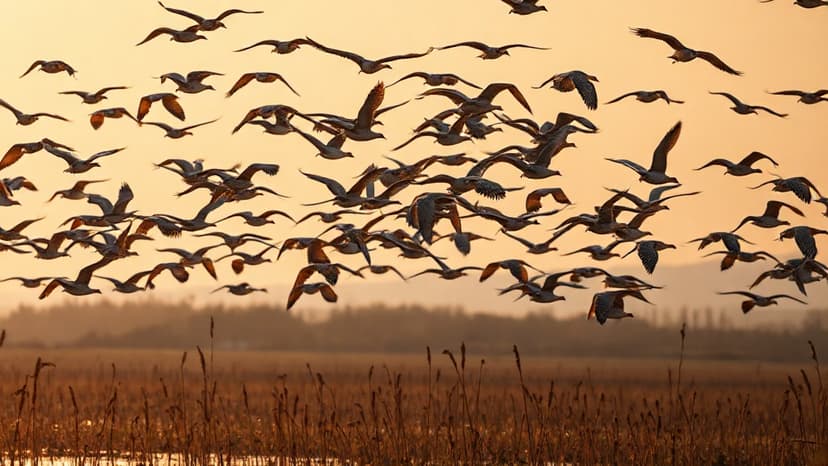
Rare curlews, part of a conservation initiative, have returned to nest at Elmley Nature Reserve on the Isle of Sheppey, Kent. This reserve released 33 curlews in 2026, raised in captivity as part of a project to reintroduce this at-risk species to lowland Britain. Estate manager Gareth Fulton expressed excitement as birds from previous releases have successfully paired and returned to nest at the reserve.
The curlew, Europe's largest wading bird, faces significant decline, with numbers dropping by approximately 50% since 1995, leading to its placement on a conservation concern red list. Reasons for this decline include changing farming practices and increased predator numbers, as explained by Elmley curlew keeper Simon Higgs.
Elmley is a key participant in the South of England Curlew Recovery Project, where eggs are carefully collected from vulnerable nests and transported for hatching. This year marks the fourth year of the project, with over 100 birds released thus far. Conservationists are hopeful that these young curlews, described as "teenagers" by Fulton, will mature and begin breeding next year.
The project involves collaboration with conservationists in areas with healthier curlew populations, like the Yorkshire Dales. Eggs are relocated from sites near footpaths or fields at risk of early grass cutting, ensuring the chicks' safety until they are ready for release. The curlews' natural tendency to return to their birthplace makes Elmley a strategic location for their successful reintroduction into the wild.


