Home / Environment / Crows: Rayalaseema's Unlikely Foresters
Crows: Rayalaseema's Unlikely Foresters
22 Sep
Summary
- House crows aid natural regeneration in dry Rayalaseema.
- Birds disperse seeds via droppings, increasing greenery.
- Crow populations are declining due to environmental changes.
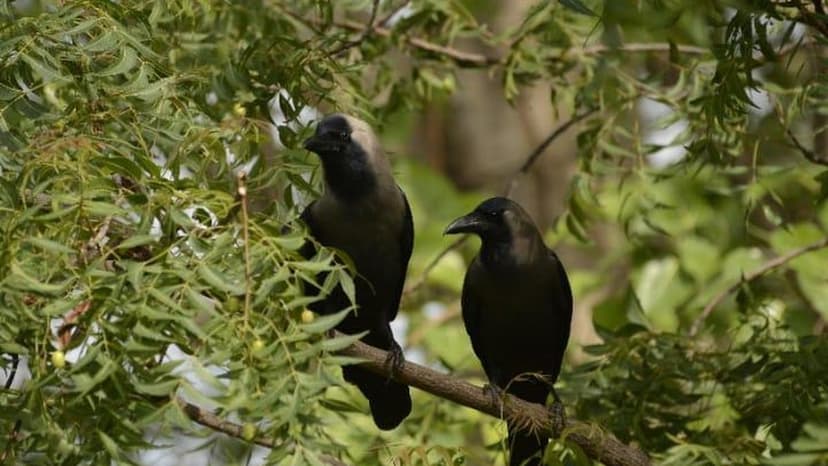
In the arid landscapes of Rayalaseema, Andhra Pradesh, an unlikely ally is helping to combat deforestation and drought. Researchers have documented how the common house crow (Corvus splendens) actively participates in seed dispersal. These birds consume ripe fruits, particularly neem, and deposit seeds across villages, fields, and roadsides through their droppings.
This natural regeneration process, known as endozoochory, is measurably increasing urban greenery by an estimated 2% in affected areas. While crows are vital for this greening, their populations have seen a significant decline in recent years. Factors such as tree felling for infrastructure development and changes in waste management practices are cited as reasons for this decrease.
Forest officials highlight that bird-assisted regeneration offers a cost-effective and efficient alternative to traditional afforestation drives, which often struggle with low survival rates due to water scarcity and environmental stress. Protecting existing native, fruit-bearing trees is crucial, as they serve as 'mother trees' for this natural propagation.


