feedzop-word-mark-logo
searchLogin
Feedzop
homeFor YouUnited StatesUnited States
You
bookmarksYour BookmarkshashtagYour Topics
Trending
Terms of UsePrivacy PolicyAboutJobsPartner With Us

© 2026 Advergame Technologies Pvt. Ltd. ("ATPL"). Gamezop ® & Quizzop ® are registered trademarks of ATPL.

Gamezop is a plug-and-play gaming platform that any app or website can integrate to bring casual gaming for its users. Gamezop also operates Quizzop, a quizzing platform, that digital products can add as a trivia section.

Over 5,000 products from more than 70 countries have integrated Gamezop and Quizzop. These include Amazon, Samsung Internet, Snap, Tata Play, AccuWeather, Paytm, Gulf News, and Branch.

Games and trivia increase user engagement significantly within all kinds of apps and websites, besides opening a new stream of advertising revenue. Gamezop and Quizzop take 30 minutes to integrate and can be used for free: both by the products integrating them and end users

Increase ad revenue and engagement on your app / website with games, quizzes, astrology, and cricket content. Visit: business.gamezop.com

Property Code: 5571

Home / Environment / 2026: The Year Coral Reefs Could Vanish?

2026: The Year Coral Reefs Could Vanish?

6 Jan

•

Summary

  • Coral reefs face irreversible collapse by 2026 due to climate change.
  • Ocean warming and El Niño cycles threaten widespread coral bleaching events.
  • Urgent action needed: cut emissions, reduce local stressors, and breed heat-tolerant corals.
2026: The Year Coral Reefs Could Vanish?

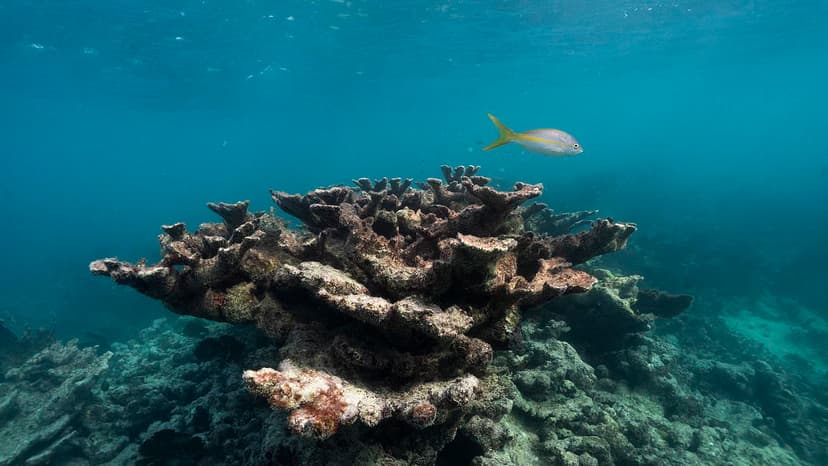
Marine ecosystem expert Dr. Samantha Garrard warns that 2026 may witness the irreversible collapse of coral reefs globally. This crisis is driven by human-caused climate change, which continues to warm ocean waters to critical levels. Over the past decade, an estimated 30 to 50 percent of the world's coral reefs have already been lost.

The world's coral populations are teetering on the edge of a 'tipping point.' Recent El Niño cycles have caused extensive coral bleaching, and another is anticipated in 2026. Scientists fear that reefs may not recover from this next severe heat exposure, potentially sealing the fate of even the most resilient species.

To prevent this catastrophe, aggressive carbon emission reductions are vital to cool ocean waters. Additionally, reducing local pressures such as pollution and overfishing, alongside incorporating selective breeding of heat-tolerant corals into restoration plans, are crucial steps to enhance reef resilience.

trending

US may seize Russian tanker

trending

Uxbridge officer dies in crash

trending

Grand Slam prize money soars

trending

Alaska Airlines orders Boeing planes

trending

Intel stock rallies on AI

trending

GME stock surges on plan

trending

Car driver thrashed in Coimbatore

trending

Messi wants to be owner

trending

Patrick Toney joins Ole Miss

Disclaimer: This story has been auto-aggregated and auto-summarised by a computer program. This story has not been edited or created by the Feedzop team.
Experts warn that coral reefs could face irreversible collapse as early as 2026 due to escalating ocean temperatures.
The El Niño-Southern Oscillation exacerbates ocean warming, causing severe coral bleaching and hindering reef recovery, especially with frequent cycles.
Saving coral reefs requires cutting carbon emissions, reducing local stressors like pollution, and developing heat-tolerant coral varieties.

Read more news on

Environmentside-arrow

You may also like

Australia's Forests Dying Faster as Climate Warms

1 day ago • 11 reads

article image

Reef Revival Could Feed Millions Annually

1 day ago • 9 reads

article image

El Nino Looms: India's Monsoon and Summers in Peril?

3 Jan • 25 reads

article image

Atlantic Ocean Nears Critical Climate Tipping Point

30 Dec, 2025 • 83 reads

article image

Caribbean Reefs Revived by Coral IVF

16 Dec, 2025 • 113 reads

article image