Home / Environment / COP30: Water is Now Key to Climate Survival
COP30: Water is Now Key to Climate Survival
16 Mar
Summary
- COP30 in Belém integrated WASH into climate accountability for the first time.
- New global indicators focus on water resilience and risk governance by 2030.
- India builds on existing water reforms, facing scarcity, finance, and digital challenges.
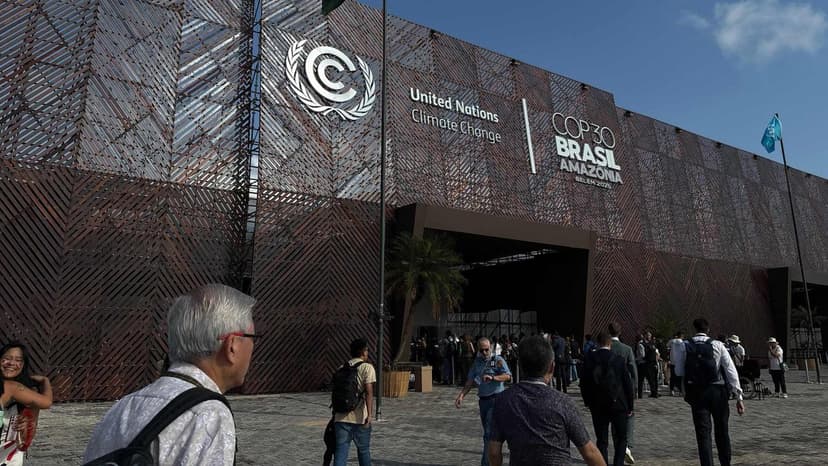
The 30th United Nations Climate Change Conference, COP30, held in Belém, Brazil, in November 2025, marked a significant shift in climate adaptation by prioritizing water, sanitation, and hygiene (WASH). For the first time, global adaptation indicators now integrate WASH into climate accountability, redefining resilience as a measurable discipline.
The 59 Belém Adaptation Indicators focus on building climate-resilient water and sanitation systems and strengthening risk governance, including multi-hazard early warning systems by 2027. This approach emphasizes the functionality of systems under climate stress rather than solely asset creation.
India is actively integrating its existing water governance structures, such as the Ministry of Jal Shakti and the Water Vision 2047, with the Belém framework. Initiatives like the National Aquifer Mapping and Management Programme 2.0 and the National Mission for Clean Ganga exemplify this move toward integrated water stewardship.
However, India faces systemic risks including acute water scarcity, fragile adaptation finance, and persistent digital fragmentation. Addressing these requires climate stress testing of infrastructure, securing predictable adaptation finance, and integrating hydrological data into real-time decision-making systems.
The Belém indicators serve as a critical dashboard for survival, urging convergence of domestic missions, metrics, and funding. India's strengths in digital public infrastructure offer an opportunity to lead the Global South by operationalizing adaptation at scale, ensuring systems serve populations during climate shocks.