Home / Environment / COP30: Modest Climate Deal Struck Amid Fierce Debate
COP30: Modest Climate Deal Struck Amid Fierce Debate
23 Nov, 2025
Summary
- Nearly 200 nations reached a modest climate deal at COP30 in Brazil.
- Adaptation finance tripled by 2035, a key win for less-developed nations.
- Critics argue the deal falls short, lacking a clear fossil fuel phase-out plan.
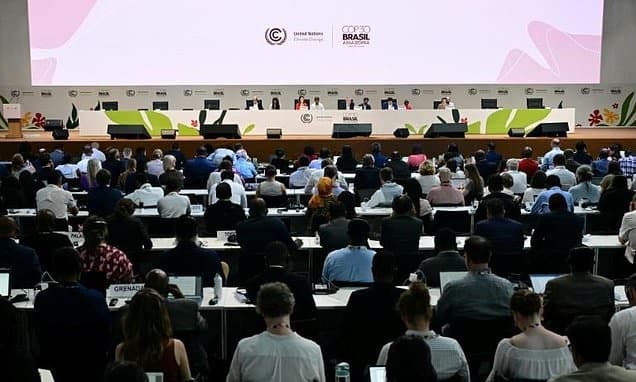
The COP30 UN Climate Change Conference in Belem, Brazil, concluded with a modest climate accord involving nearly 200 nations. President Lula of Brazil celebrated the outcome, emphasizing that science and multilateralism prevailed, and highlighting record participation. This deal was viewed by some as a pragmatic achievement amidst complex negotiations, even without U.S. presence.
However, reactions were mixed. While India and China praised the deal as meaningful and a success given the difficult circumstances, European representatives expressed a desire for greater ambition. Colombia strongly criticized the absence of a clear fossil fuel phase-out plan, stating it does not accept declarations that fail to identify fossil fuels as the crisis's cause.
Less-developed countries celebrated a significant victory in tripling adaptation finance by 2035, a crucial red line for vulnerable populations. Despite its imperfections, this was seen as progress by many. Nonetheless, environmental NGOs voiced concerns that the deal remains weakened by its failure to address fossil fuels directly, benefiting industry over climate action.