Home / Environment / India's Beloved Conocarpus Trees Now Face Bans
India's Beloved Conocarpus Trees Now Face Bans
19 Sep
Summary
- Conocarpus trees are banned due to ecological threats and health concerns.
- Their roots damage infrastructure, and pollen causes allergic reactions.
- Experts recommend native trees for sustainable urban landscaping.
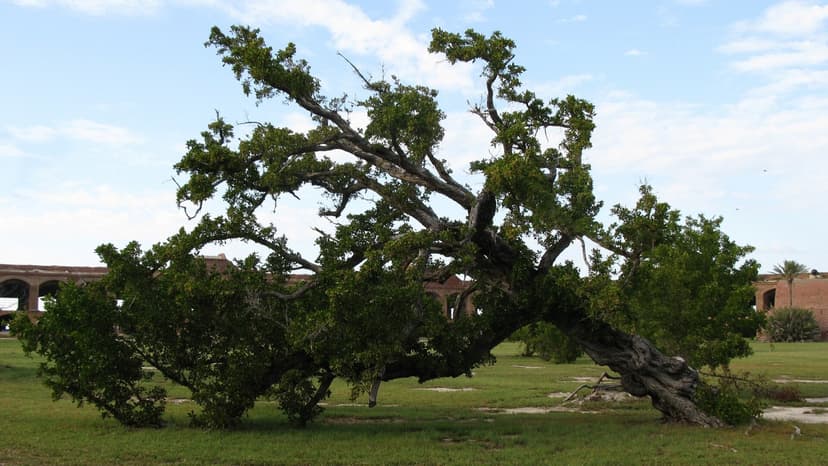
Conocarpus trees, widely planted for their rapid growth and resilience in urban India, are now subject to bans and restrictions in several states. Environmentalists argue that these trees pose significant ecological threats, hindering the growth of native plants and reducing biodiversity, creating 'green deserts' devoid of local wildlife.
Concerns extend to infrastructure damage, with Conocarpus roots known to crack pipelines, sewer lines, and roads, incurring substantial repair costs for cities. Additionally, studies suggest Conocarpus pollen may trigger allergies and respiratory problems, particularly for vulnerable populations like children and the elderly.
Experts emphasize the importance of choosing native trees, such as mango, neem, peepal, and banyan, which are adapted to local climates, require less water, and support local ecosystems. These native alternatives offer shade, air purification, and low allergenic potential, contributing to healthier and more sustainable urban environments.


