

Home / Environment / Colorado River Faces Tough Choices Amid Water Crisis
Colorado River Faces Tough Choices Amid Water Crisis
14 Jan
Summary
- Multiple management options are being considered for the Colorado River system.
- Existing agreements governing the river's operations are set to expire in late 2026.
- Water storage levels in the Colorado River system are currently low.
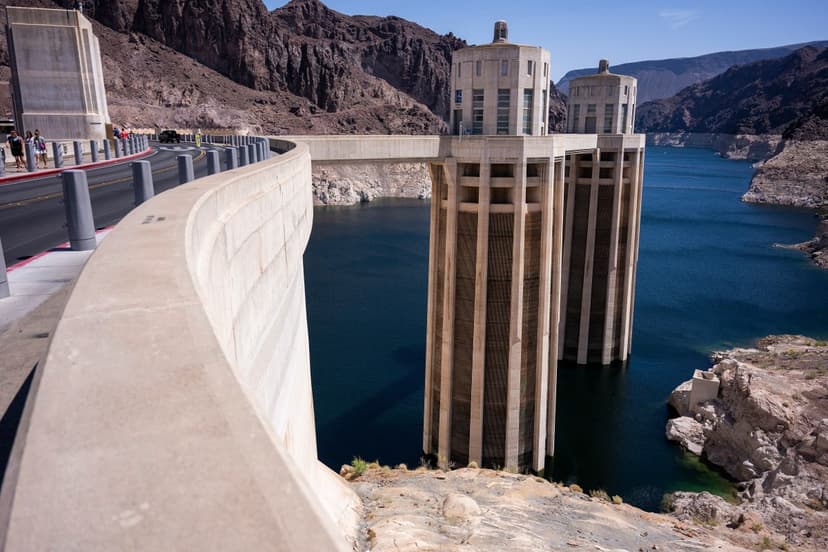
Officials are considering several new management plans for the vital Colorado River system, which is facing significant stress. The U.S. Bureau of Reclamation released a draft report detailing options such as the "Basic Coordination Alternative" and the "Maximum Operational Flexibility Alternative." These proposals aim to address increasingly unpredictable water conditions and stabilize system storage.
The "Maximum Operational Flexibility Alternative" employs proactive measures and "flexible tools," using dual indicators of system storage and recent hydrology to guide annual water releases. Another option, the "Supply Driven Alternative," would base Lake Powell's releases on historical natural water flow, with Lower Basin deliveries dependent on Lake Mead's elevation. The agency also mentioned a "No Action Alternative."
Experts warn that water storage in the system is lower than last year, and current snowpack conditions are concerning. With several agreements governing the river's operations expiring at the end of 2026, the region must confront difficult choices regarding water deliveries and dam operations, impacting everything from agriculture to hydropower generation. A public comment period is scheduled to begin on January 16.