Home / Environment / Colorado River Crisis: Reservoirs Near Record Lows
Colorado River Crisis: Reservoirs Near Record Lows
21 May
Summary
- Lake Mead could reach a record-low elevation of 1,036 feet in 2026.
- Lake Powell's water inflow is forecast to be the lowest on record.
- Over 40 million people rely on the Colorado River system for water.
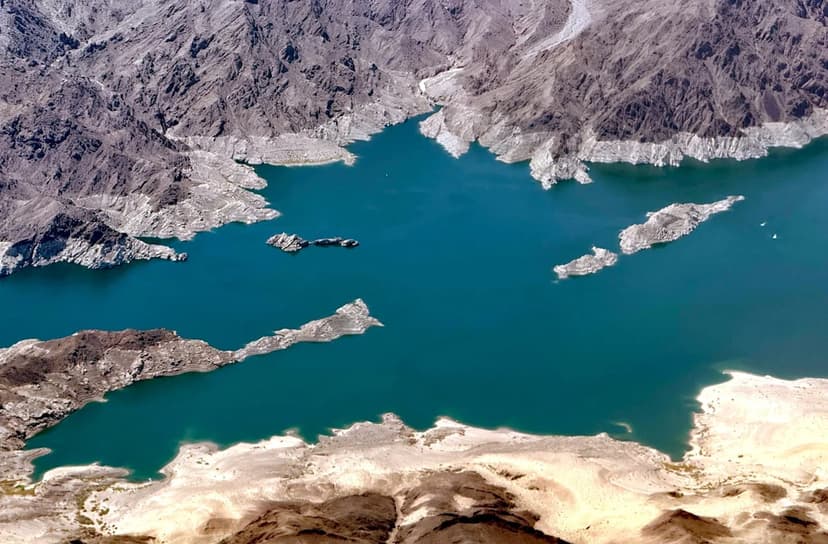
Water levels in the Colorado River basin, specifically Lake Mead and Lake Powell, are projected to hit unprecedented lows in the coming months. According to the U.S. Bureau of Reclamation, Lake Mead could descend to 1,036 feet of elevation by 2026, surpassing its 2022 record low of approximately 1,040 feet.
Lake Powell is also anticipated to reach a new historic low, with its water inflow between April and July forecasted to be the lowest on record, only 13% of the average. These two reservoirs are the largest in the United States, storing about 80% of the Colorado River system's water supplies, which are essential for more than 40 million people.
Hydrologists express concern not only for water supplies but also for the operation of hydropower systems. The Hoover Dam requires a minimum surface elevation of 1,050 feet to generate power, with levels below that entering "inactive pool" status. A "dead pool" state, where water cannot flow to the dam, exists at 895 feet.
The current situation is attributed to a multi-decade megadrought exacerbated by climate change, leading to higher temperatures and more variable precipitation. Experts describe this as "hydroclimate whiplash," a rapid shift between wet and dry conditions. Despite recent atmospheric rivers providing some relief, the long-term trend points to increasingly warmer and drier conditions impacting water availability and demand in the West.


