feedzop-word-mark-logo
searchLogin
Feedzop
homeFor YouUnited StatesUnited States
You
bookmarksYour BookmarkshashtagYour Topics
Trending
Terms of UsePrivacy PolicyAboutJobsPartner With Us

© 2026 Advergame Technologies Pvt. Ltd. ("ATPL"). Gamezop ® & Quizzop ® are registered trademarks of ATPL.

Gamezop is a plug-and-play gaming platform that any app or website can integrate to bring casual gaming for its users. Gamezop also operates Quizzop, a quizzing platform, that digital products can add as a trivia section.

Over 5,000 products from more than 70 countries have integrated Gamezop and Quizzop. These include Amazon, Samsung Internet, Snap, Tata Play, AccuWeather, Paytm, Gulf News, and Branch.

Games and trivia increase user engagement significantly within all kinds of apps and websites, besides opening a new stream of advertising revenue. Gamezop and Quizzop take 30 minutes to integrate and can be used for free: both by the products integrating them and end users

Increase ad revenue and engagement on your app / website with games, quizzes, astrology, and cricket content. Visit: business.gamezop.com

Property Code: 5571

Home / Environment / Coal Mine Pollutes Sydney's Drinking Water River

Coal Mine Pollutes Sydney's Drinking Water River

29 Jan

•

Summary

  • Coal mine discharge caused high salinity spikes in Coxs River.
  • Pollution threatens Sydney's drinking water supply from Warragamba Dam.
  • EPA issued a clean-up notice to Centennial Coal's Springvale mine.
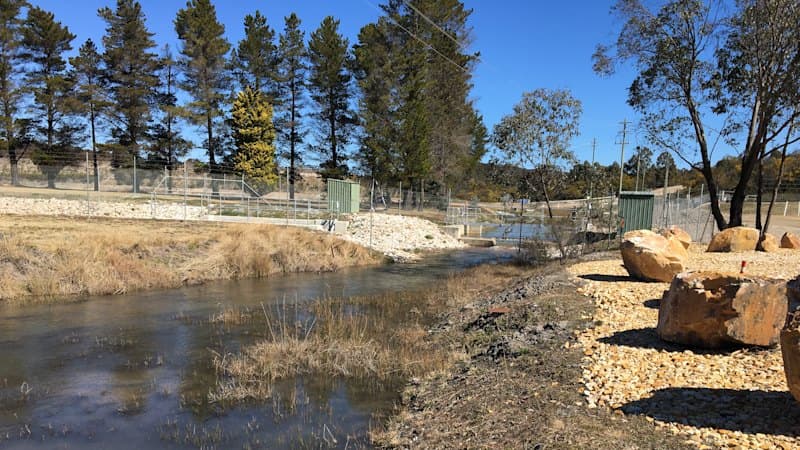
Coal Mine Pollutes Sydney's Drinking Water River

The Coxs River, which feeds into Sydney's Warragamba Dam, has been polluted by dirty water from Centennial Coal's Springvale mine. The NSW Environment Protection Authority (EPA) issued a clean-up notice to the mine on January 23, citing significant spikes in the river's salinity. These discharges, monitored by the coal company, have shown electrical conductivity levels as high as 4270 μS/cm, far exceeding natural levels and posing a threat to aquatic life.

Water scientist Professor Ian Wright described the discharge point as poorly regulated and noted a concerning salinity plume extending down the Coxs River. While Warragamba Dam remains within safe drinking water limits, the health of the Coxs River, home to platypuses and other wildlife, is a primary concern. The EPA has directed Centennial Coal to reduce its water discharge volume, with progressive deadlines for compliance extending to May. Concerns also exist regarding other pollutants like zinc and nickel, with concentrations exceeding safe levels for aquatic life even when below EPA license limits.

trending

Ohio snow emergency declared

trending

TikTok down in United States

trending

Andreeva matches Venus Williams' feat

trending

Warrington Hospital baby death

trending

Alexander Zverev advances in Australia

trending

Oilers host Capitals

trending

London celebrates Chinese New Year

trending

Liza Minnelli defends AI use

Disclaimer: This story has been auto-aggregated and auto-summarised by a computer program. This story has not been edited or created by the Feedzop team.
The Coxs River has experienced high salinity spikes due to dirty water discharged from Centennial Coal's Springvale mine, impacting Sydney's drinking water catchment.
The NSW EPA issued a clean-up notice to Centennial Coal on January 23, requiring them to reduce water discharge and meet progressive deadlines by May.
Beyond salinity, there are concerns about elevated levels of pollutants like zinc and nickel, which, while below EPA license limits, exceed safe thresholds for aquatic life.

Read more news on

Environmentside-arrow

You may also like

Australia's Heatwave Shatters Records Amidst Raging Bushfires

19 hours ago • 4 reads

article image

Einasleigh Evacuates: Dam Spill Triggers Flood Fears

1 day ago • 11 reads

article image

Sydney's Rubbish Heads to NSW Towns: Outrage Brews

19 hours ago • 4 reads

article image

Victoria Floods: 'Terrifying' Flash Floods Devastate Great Ocean Road

18 Jan • 51 reads

article image

Mine's Hole Traps Queensland Cattlewoman

18 Jan • 40 reads

article image