

Home / Environment / Delhi is here: Climate crisis ignores borders
Delhi is here: Climate crisis ignores borders
31 Mar
Summary
- Climate change is now an immediate threat, not a distant abstraction.
- Smog season affects Pakistan and India, causing severe respiratory illnesses.
- Warfare's environmental toll, like 'black rain,' poses long-term health risks.
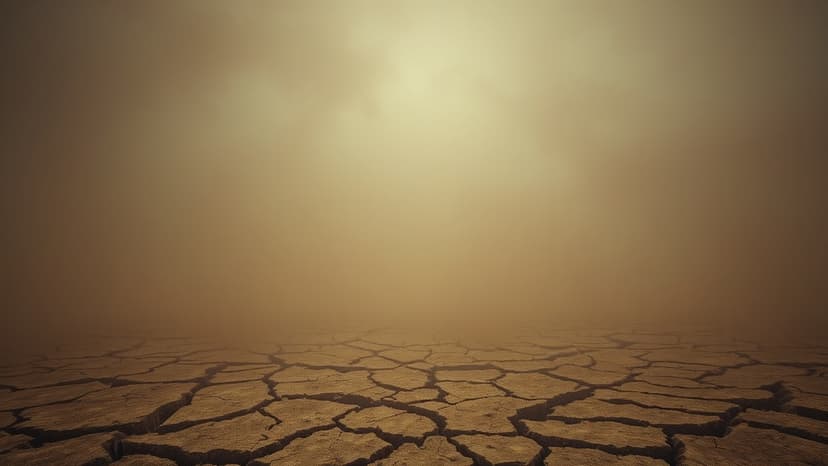
The historical sentiment of 'Delhi is still far away,' signifying a distant problem, is now obsolete concerning climate change. Scientists have warned of environmental degradation and rising greenhouse gas emissions since the 1930s, but economic incentives delayed action. Today, these issues are immediate crises, reshaping atmospheric processes and weather patterns, rendering densely populated areas potentially uninhabitable.
The recurring smog season in Pakistan and India exemplifies this, with severe air pollution linked to agricultural burning, emissions, and trapped pollutants. This leads to critical health issues, particularly among vulnerable populations, as air quality indices frequently reach hazardous levels in cities like Lahore and Karachi.
Modern warfare also carries severe environmental consequences, often neglected in post-conflict efforts. The recent 'black rain' event in Tehran, following strikes on oil facilities, illustrates the hazardous impact of industrial contamination and toxic substances like PM2.5 on public health and ecosystems. Such events cause trauma and exacerbate societal vulnerabilities, disproportionately affecting marginalized communities.
Western nations are critiqued for hypocrisy, pledging sustainability while increasing fossil fuel production and military spending. This has led to third-world countries becoming dumping grounds for waste, worsening environmental catastrophes. Effective solutions require stronger regulations, investment in public healthcare, and regional cooperation, as demonstrated by China's anti-smog policies.
