Home / Environment / Climate Change Fuels Deadly Bird Disease Outbreaks
Climate Change Fuels Deadly Bird Disease Outbreaks
25 Aug
Summary
- Avian botulism outbreaks are predicted to increase with climate change.
- Over 100 birds died at Rye Harbour Nature Reserve in East Sussex.
- Hot, dry conditions create shallow water where toxins thrive.
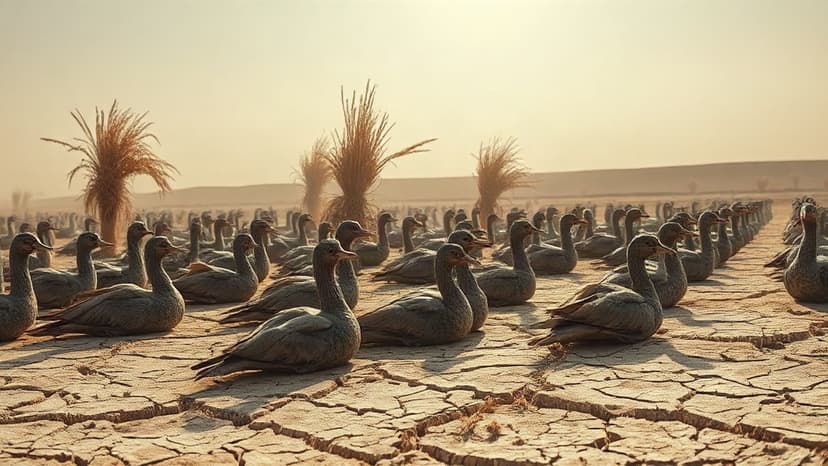
Avian botulism outbreaks are expected to become more frequent as climate change intensifies, according to a conservation group. This warning follows the deaths of over a hundred birds at Rye Harbour Nature Reserve in East Sussex. Hot and dry weather conditions have significantly lowered water levels, creating an environment conducive to the development of the botulism toxin.
Conservationists note that these conditions are becoming the new norm, highlighting the devastating impact on wildlife reserves. The disease is caused by a toxin produced by bacteria thriving in warm, shallow, oxygen-lacking water. Visitors to the affected nature reserve are advised to avoid contact with water and not touch any sick or deceased animals.
Experts also recommend keeping pets on leads in affected areas to prevent infection. The situation underscores the challenges faced by conservationists in managing wildlife in the face of escalating climate change impacts. Public awareness and reporting of suspected cases are crucial for mitigation efforts.


