feedzop-word-mark-logo
searchLogin
Feedzop
homeFor YouUnited StatesUnited States
You
bookmarksYour BookmarkshashtagYour Topics
Trending
Terms of UsePrivacy PolicyAboutJobsPartner With Us

© 2026 Advergame Technologies Pvt. Ltd. ("ATPL"). Gamezop ® & Quizzop ® are registered trademarks of ATPL.

Gamezop is a plug-and-play gaming platform that any app or website can integrate to bring casual gaming for its users. Gamezop also operates Quizzop, a quizzing platform, that digital products can add as a trivia section.

Over 5,000 products from more than 70 countries have integrated Gamezop and Quizzop. These include Amazon, Samsung Internet, Snap, Tata Play, AccuWeather, Paytm, Gulf News, and Branch.

Games and trivia increase user engagement significantly within all kinds of apps and websites, besides opening a new stream of advertising revenue. Gamezop and Quizzop take 30 minutes to integrate and can be used for free: both by the products integrating them and end users

Increase ad revenue and engagement on your app / website with games, quizzes, astrology, and cricket content. Visit: business.gamezop.com

Property Code: 5571

Home / Environment / Climate Change Fuels Soaring Electricity Bills

Climate Change Fuels Soaring Electricity Bills

8 Jan

•

Summary

  • Extreme heat significantly increases global electricity demand, especially for cooling.
  • Higher demand forces utilities to use expensive fossil fuel 'peaker' plants.
  • Infrastructure damage from extreme weather also raises electricity costs.
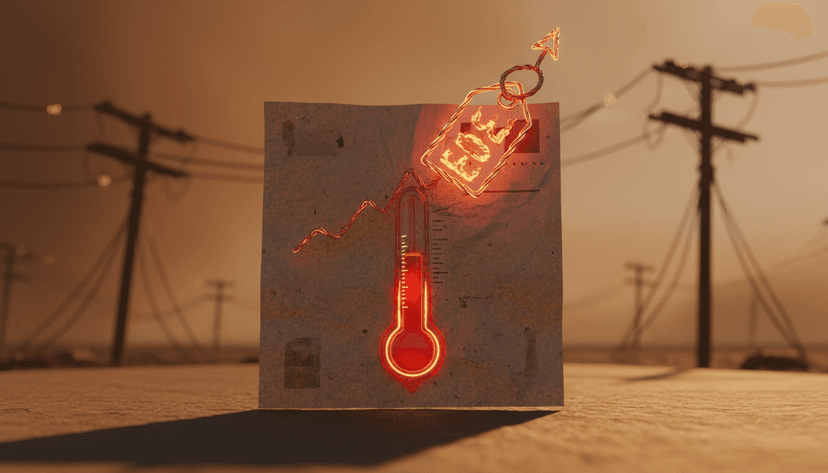
Climate Change Fuels Soaring Electricity Bills

Climate change is increasingly manifesting as higher electricity bills globally. Record heatwaves in 2025 across Europe, China, the US, and India caused significant surges in electricity demand, primarily driven by air conditioning use. This increased demand stressed energy systems, with peak power prices in some European regions exceeding €400 per MWh during heatwaves.

The rising cooling load is a global trend, with extreme heat doubling electricity demand growth in peak months in some markets. In India, heatwaves caused a substantial surge in electricity demand, creating a 'heat-power trap.' This situation forces utilities to activate expensive 'peaker' plants, often fueled by fossil fuels, to meet demand spikes, leading to higher costs passed on to consumers.

Beyond demand, climate hazards like heatwaves, wildfires, and floods damage energy infrastructure, necessitating costly repairs and resilience upgrades. These expenses also contribute to rising electricity prices. As the planet warms, electricity becomes more essential but also more expensive, highlighting the urgent need for cleaner energy sources and efficient systems.

Disclaimer: This story has been auto-aggregated and auto-summarised by a computer program. This story has not been edited or created by the Feedzop team.
Heatwaves in Europe have caused electricity demand to surge by up to 14%, driving up wholesale prices significantly.
India faces a 'heat-power trap' where heatwaves cause a surge in electricity demand, straining the grid and increasing costs.
Extreme weather damages energy infrastructure, leading to costly repairs and resilience upgrades that increase electricity prices for consumers.

Read more news on

Indiaside-arrowEnvironmentside-arrowEuropeside-arrowChinaside-arrow
trending

Salesforce lays off 1000

trending

India US trade tariffs slashed

trending

Margot Robbie's Wuthering Heights panned

trending

CBSE board exams: key details

trending

Jana Nayagan movie court case

trending

Dhakshineswar Suresh Davis Cup hero

trending

Deepika Padukone wears Gaurav Gupta

trending

NZ vs UAE match prediction

trending

iPhone 17 Croma Valentine's sale

You may also like

Global Warming Continues: January 2026 Hottest on Record

12 hours ago • 6 reads

article image

Nature's Colors Fade: Climate Change Rewrites Wildlife Palettes

12 hours ago • 9 reads

article image

Asia's Flood Risk Skyrockets

29 Jan • 92 reads

article image

2025 Shatters Heat Records: Global Temps Accelerate

7 Jan • 268 reads

article image

Climate Disasters: $120 Billion Lost in 2025

27 Dec, 2025 • 321 reads

article image