Home / Environment / Climate Change Fuels Rodent Outbreaks, Experts Warn
Climate Change Fuels Rodent Outbreaks, Experts Warn
29 Sep
Summary
- Climate change-induced rainfall shifts can increase rodent populations.
- Lassa fever, a rodent-borne disease, poses a significant threat in West Africa.
- A new model accurately predicts the seasonal timing of Lassa fever outbreaks.
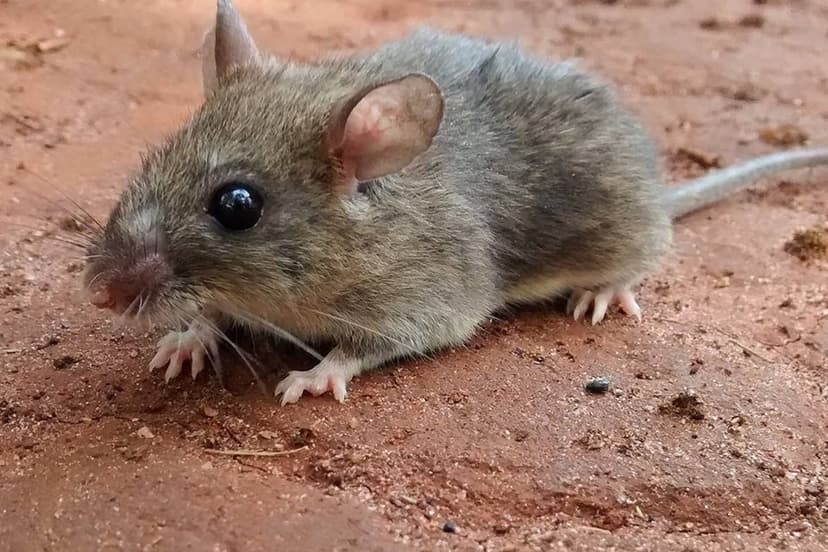
Increased rainfall driven by climate change is a growing concern for public health, as it can lead to more rodent-borne diseases. Lassa fever, a significant zoonotic threat in West Africa, causes hundreds of thousands of infections and thousands of deaths each year. This disease is particularly perilous during pregnancy, with high mortality rates for mothers and infants.
Researchers have developed a new model using three decades of data on African rodents and climate patterns. This model demonstrates a clear link between changes in rainfall, rodent population surges, and subsequent Lassa fever outbreaks. When applied to Nigeria, the model accurately matched the seasonal timing of human Lassa fever cases with peaks in infected rodents.
The study found that wetter conditions, likely due to increased food availability, boost rodent breeding. Furthermore, the virus can be transmitted from infected mothers to their offspring, helping it persist. While the model can predict outbreak timing, its size depends on factors like human behavior and contact rates.


