Home / Environment / Climate Crisis Fuels Global Mental Health Epidemic
Climate Crisis Fuels Global Mental Health Epidemic
3 Feb
Summary
- Climate change exacerbates mental health issues, including anxiety and depression.
- Extreme weather events directly worsen mental health and well-being.
- Developing nations and their youth are disproportionately affected by climate trauma.
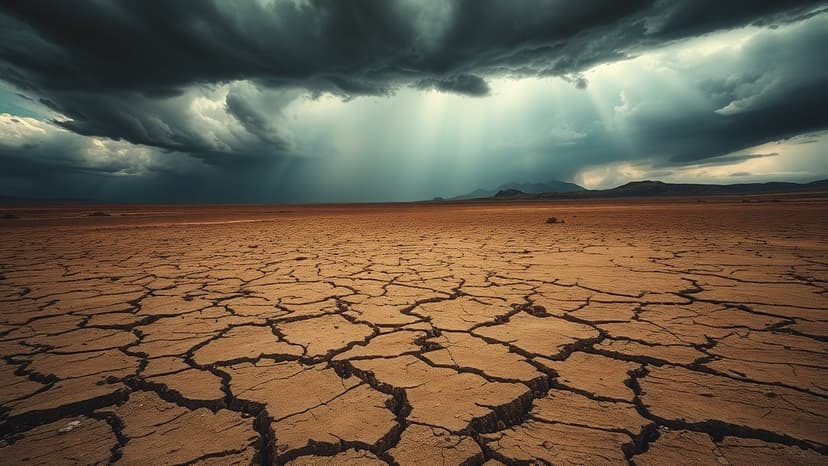
The global burden of disease linked to climate change is significantly impacting economies and societies, especially in developing countries. Extreme weather events like floods and droughts not only cause physical harm and economic instability but also trigger significant mental health issues, including anxiety and depression, as confirmed by the IPCC.
Every increase in global temperatures heightens the risk of disease spread and reverses health gains, with poorer communities bearing the brunt. Projections indicate approximately 250,000 additional deaths annually between 2030 and 2050 due to factors exacerbated by climate change. This crisis disproportionately affects the world's youth, 90% of whom live in climate-vulnerable nations.
Pakistan, a climate-vulnerable nation with a large youth population, faces a severe polycrisis. Millions affected by recent floods have suffered economic losses, trauma, and depression. Children and young people endure disrupted education and loss of essential services, with psychological healing often neglected due to inadequate public mental health infrastructure.
Addressing this requires prioritizing mental health funding and destigmatizing discussions around mental illness. Educational institutions, local bodies, and media must raise awareness, linking mental health to climate disasters. Minding mental health is as crucial and urgent as combating climate change itself.