Home / Environment / Climate Crisis Fueled Deadly Chile/Argentina Wildfires
Climate Crisis Fueled Deadly Chile/Argentina Wildfires
11 Feb
Summary
- Global heating made wildfires three times more likely, researchers found.
- Fires in Chile killed 23 people and destroyed over 1,000 homes.
- Ancient Patagonian forests devastated by fires exacerbated by climate change.
Wildfires in Chile and Argentina, which resulted in 23 fatalities, were significantly intensified by global heating, a new study reveals. Researchers from the World Weather Attribution consortium determined that the hot, dry, and windy conditions conducive to the fires were made about three times more likely due to human-caused carbon emissions.
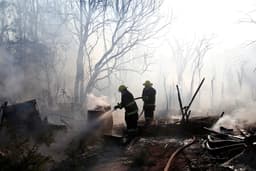
Chile experienced severe consequences, with the Biobío and Ñuble regions declared a "state of catastrophe." The fires claimed 23 lives, destroyed over 1,000 homes, and displaced 52,000 residents amidst temperatures exceeding 37C and strong winds.
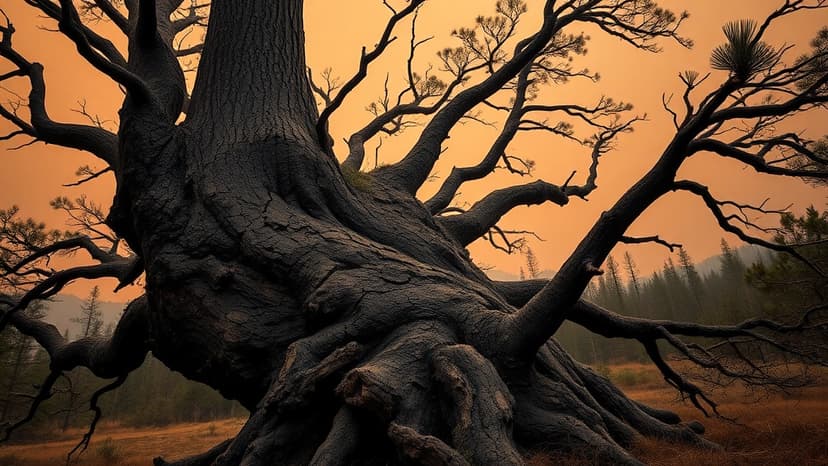
In Argentina, the fires impacted Patagonia's Los Alerces national park, a sanctuary for ancient alerce trees exceeding 3,000 years in age. Experts noted that government budget cuts to fire management services, coupled with a perceived disregard for climate change, likely worsened the impact on the region's unique biodiversity and people.
Scientists emphasized that the supercharging of extreme weather events will persist until fossil fuel burning ceases. They utilized peer-reviewed methods and data from weather records and climate models to establish the link between global heating and the increased likelihood of these devastating conditions.