

Home / Environment / Climate Chaos Adds £168 to UK Lamb Costs
Climate Chaos Adds £168 to UK Lamb Costs
3 Apr
Summary
- Climate change has increased lamb costs by £168 over three years.
- Extreme weather events caused lamb prices to rise 7% to 21%.
- Cocoa production impacts led to a two-thirds rise in Easter egg costs.
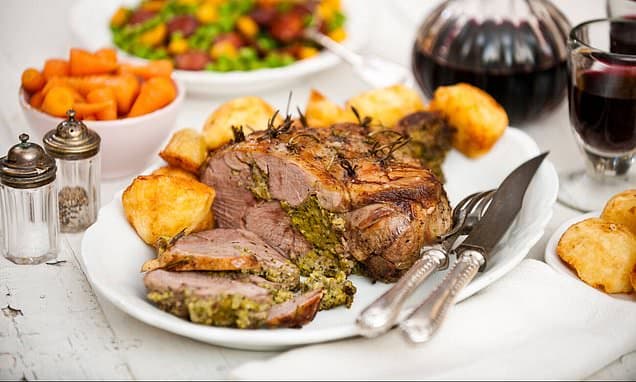
Household budgets have been impacted by climate change, with regular lamb consumers facing an additional £168 cost over the last three years. Since 2022, the UK has experienced weather "shocks" such as droughts, extreme heat, and heavy rainfall. These events have collectively driven up the price of a typical 2kg leg of lamb by 7% to 21% each time.
The ECIU think tank's analysis, using Met Office data, modeled the effects of specific weather events. The drought in 2022 increased prices by 11%, the wet winter of 2023/24 by 25%, and recent drought conditions by 13%, primarily affecting grass growth. These farmgate price increases are expected to translate to consumer prices. For example, Easter 2024 saw a lamb roast cost an extra £5 (17.5%), with an additional £7 (21%) increase projected for the following year.
Farmers are grappling with these challenges. In Wales, wet winters have led to waterlogged soils and poor grass growth, resulting in lighter lambs. Farmers elsewhere in the UK face issues from long, hot dry spells. Beyond lamb, the cost of Easter eggs has also risen by two-thirds in three years due to heavy rainfall, droughts, and heatwaves affecting cocoa production in West Africa. The average price for an Easter egg is now 9% higher than last year.
