

Home / Environment / Snakes Slither Coastward: Deadly Encounters Loom
Snakes Slither Coastward: Deadly Encounters Loom
3 Apr
Summary
- Climate change will push venomous snakes from arid interiors to populated coastlines.
- Millions globally face increased risk of deadly snake encounters by 2090.
- The study models 508 medically important snake species' habitat shifts by 2050 and 2090.
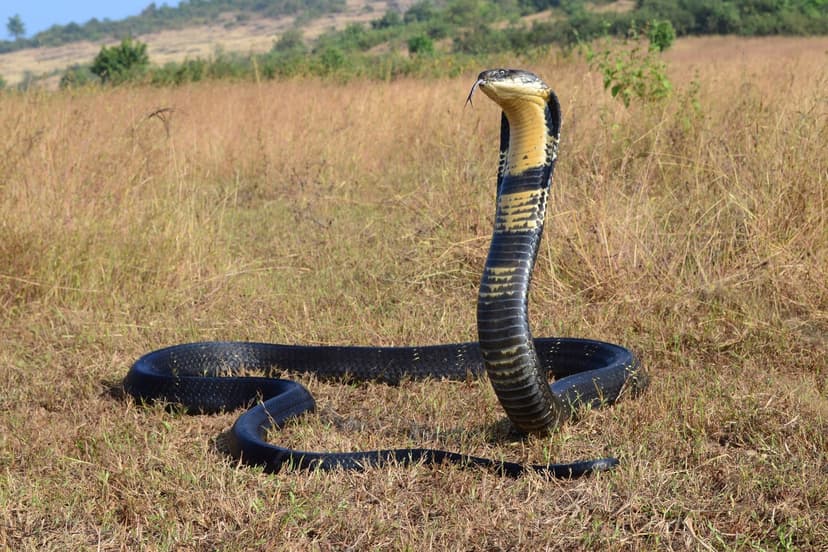
Climate change is predicted to drive venomous snake populations away from arid inland areas and towards more densely populated coastlines. This global shift will increase the risk of fatal encounters for millions of people as rising temperatures render current habitats less suitable.
The research, published in PLOS Neglected Tropical Diseases, models the projected habitat changes for all 508 medically important venomous snake species by 2050 and 2090. It indicates a broad movement towards higher latitudes and urbanized zones.
Australia, for instance, is expected to see snakes moving from its arid center to more populated southern regions along the east coast. Globally, the highest risks are already in Sub-Saharan Africa, South Asia, and Southeast Asia, with these overlaps projected to intensify.
Four species, including the black-necked spitting cobra and cottonmouth, face significantly increased exposure to humans by 2090. This study, unique in its detailed global modeling of all medically significant snakes, provides crucial data for antivenom stockpiling and health resource allocation.
Annually, snakebites cause approximately 138,000 deaths and 400,000 disabilities, predominantly in lower-income countries. The World Health Organization aims to halve this burden by 2030. Factors like human behavior and extreme weather events, such as floods, further complicate and exacerbate snakebite risks.
While some species will expand their ranges, others, particularly those with already limited habitats in regions like the Congo and Amazon basins, face population declines, raising conservation concerns. The puff adder in Africa is also predicted to lose substantial current range.
