Home / Environment / Arctic Heat Fuels Extreme Weather Myths
Arctic Heat Fuels Extreme Weather Myths
27 Jan
Summary
- Arctic warming four times faster than the rest of the world.
- Climate change can enable more extreme weather events.
- Renewables may be more reliable in extreme weather.
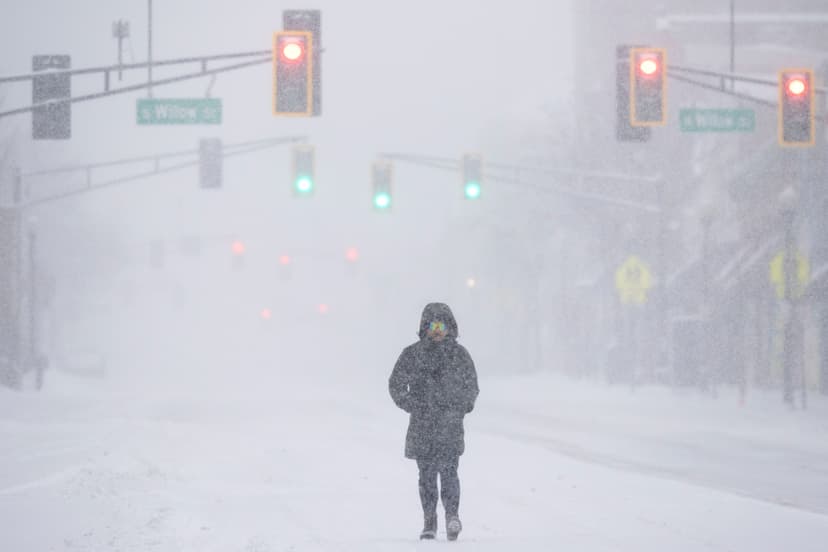
The Arctic is currently warming at a rate nearly four times faster than the global average, a significant factor in understanding weather patterns. Despite this, climate misinformation often surfaces during major weather events, with some attempting to link cold snaps to the broader reality of global warming. Scientists confirm that the Earth's warming, driven by fossil fuel combustion, does not eliminate cold days but rather alters background atmospheric conditions, potentially leading to more extreme weather.
This altered climate can influence phenomena like the polar jet stream, a current that typically contains cold air at the poles. While evidence suggests this stream may be weakening due to Arctic warming, a definitive link to specific weather events is still under investigation. Separately, renewable energy sources like wind and solar face scrutiny during severe weather, with claims that they are unreliable and contribute to blackouts. However, research, including a 2024 study, indicates that grids with higher renewable integration are often less vulnerable to widespread power outages.