Home / Environment / Climate Change Rewrites Wildlife's Seasonal Calendar
Climate Change Rewrites Wildlife's Seasonal Calendar
25 Jul
Summary
- Rising winter temperatures disrupt wildlife breeding and food availability.
- Insects and pollinators emerge before plants are ready due to warming.
- Milder winters increase populations of ticks and mosquitoes.
Climate change, manifested through extreme heat and rising temperatures, is profoundly disrupting the natural rhythms of wildlife inhabiting our backyards and neighborhoods. These environmental shifts affect crucial life cycle events for many species.
Warmer winters are particularly impactful, influencing when wildlife breeds, how they find food, and even the types of species observed. Many insects, including butterflies and bees, emerge based on temperature cues. Earlier warm spells can cause them to appear before nectar-producing plants are available, creating a mismatch.
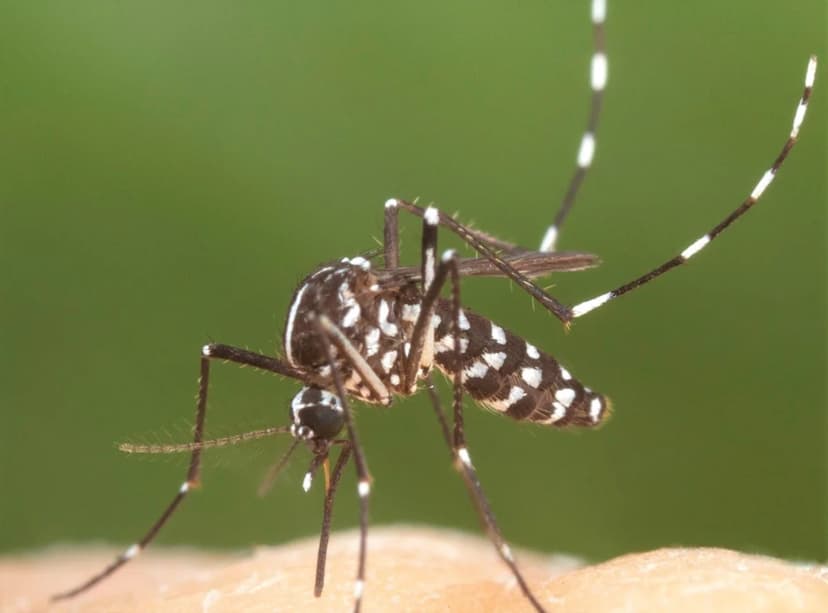
Furthermore, milder winters suppress populations of pests like ticks and mosquitoes, extending their active periods throughout the year. This increases the risk of human encounters. Invasive insect species also benefit from warmer winters, improving their survival rates and expanding their range.
These cascading effects alter backyard food webs. Changes in plant flowering, insect emergence, and bird migration schedules create a ripple effect through local ecosystems. Experts note that these altered conditions will continue to reshape where native species can thrive, potentially leading to new species appearing while others recede.


