Home / Environment / Clean Energy Soars, Climate Talks Lag Behind
Clean Energy Soars, Climate Talks Lag Behind
5 Nov
Summary
- Renewable energy adoption is accelerating globally, particularly outside the US.
- COP31 summit faces longstanding tensions between developed and developing nations.
- Progress in clean energy costs is substantial but its link to climate talks is unclear.
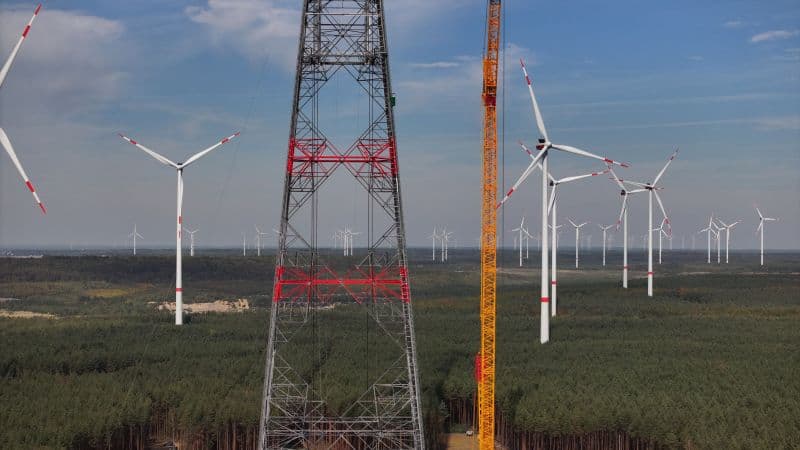
Global adoption of renewable energy sources, such as solar power and electric vehicles, is rapidly increasing, with many countries expanding their clean energy share compared to fossil fuels. However, this progress occurs against a backdrop of slow climate diplomacy, as evidenced by the upcoming COP31 summit in Antalya, Turkey, on November 9. Negotiations are anticipated to be influenced by persistent tensions between industrialized nations, historically responsible for most global warming, and developing countries. Experts suggest a notable balance exists between climate talks and tangible actions, with summits like COP31 playing a crucial role in establishing foundations for renewable energy reliance and pushing for emission reductions.
The focus at COP31 is on implementing established agreements, including the Paris Climate Agreement. This emphasis is expected to exert pressure on negotiators to commit to assisting developing nations with their energy transitions and compensating them for climate-related damages. These issues have historically presented significant challenges with limited progress. Despite these difficulties, COP meetings remain vital for encouraging countries to formulate their greenhouse gas emission reduction strategies. For instance, the Global Methane Pledge and a declaration to end deforestation saw over 100 countries participate in 2021, showcasing progress on the action front.
Significant strides have been made by countries like China and Brazil. China has incorporated methane into its national targets, and Brazil's President Lula da Silva is advancing plans to halt Amazon deforestation. Nevertheless, there is a recognized need for improved accountability mechanisms to ensure countries meet their national targets and a greater focus on "emergency brake" solutions, such as methane reduction and forest preservation, that offer the quickest warming mitigation. Simultaneously, the sharp decrease in the costs of clean energy technologies has lessened the severity of projected warming, though disentangling this economic influence from the direct impact of climate talks remains challenging. The COP process is seen by some as a symbolic figurehead for the substantial underlying efforts being made globally. Despite these advancements, both policy discussions and the deployment of renewables are not progressing swiftly enough to prevent dangerous levels of warming, with a UN report indicating the world is on track to surpass the 1.5-degree Celsius warming target outlined in the Paris Agreement.


