feedzop-word-mark-logo
searchLogin
Feedzop
homeFor YouUnited StatesUnited States
You
bookmarksYour BookmarkshashtagYour Topics
Trending
Terms of UsePrivacy PolicyAboutJobsPartner With Us

© 2026 Advergame Technologies Pvt. Ltd. ("ATPL"). Gamezop ® & Quizzop ® are registered trademarks of ATPL.

Gamezop is a plug-and-play gaming platform that any app or website can integrate to bring casual gaming for its users. Gamezop also operates Quizzop, a quizzing platform, that digital products can add as a trivia section.

Over 5,000 products from more than 70 countries have integrated Gamezop and Quizzop. These include Amazon, Samsung Internet, Snap, Tata Play, AccuWeather, Paytm, Gulf News, and Branch.

Games and trivia increase user engagement significantly within all kinds of apps and websites, besides opening a new stream of advertising revenue. Gamezop and Quizzop take 30 minutes to integrate and can be used for free: both by the products integrating them and end users

Increase ad revenue and engagement on your app / website with games, quizzes, astrology, and cricket content. Visit: business.gamezop.com

Property Code: 5571

trending

Suzlon Energy Q3 results up

trending

realme P4 Power 5G launched

trending

Australia vs Netherlands warm-up

trending

CTET admit card releasing soon

trending

Kaleem stars, Oman beats Sri Lanka

trending

Nepal vs Canada warm-up

trending

DSSSB PRT admit card 2026

trending

Mrunal Thakur wedding rumours

trending

Savannah Guthrie pleads for mother

Home / Environment / Sun, Moon, Insects: How India's Tribe Survives

Sun, Moon, Insects: How India's Tribe Survives

18 Dec, 2025

•

Summary

  • The Cholanaikkans live in Kerala's Nilambur forest.
  • They rely on natural cues like the sun and insects for timekeeping.
  • This isolated tribe speaks a unique language and is dwindling.
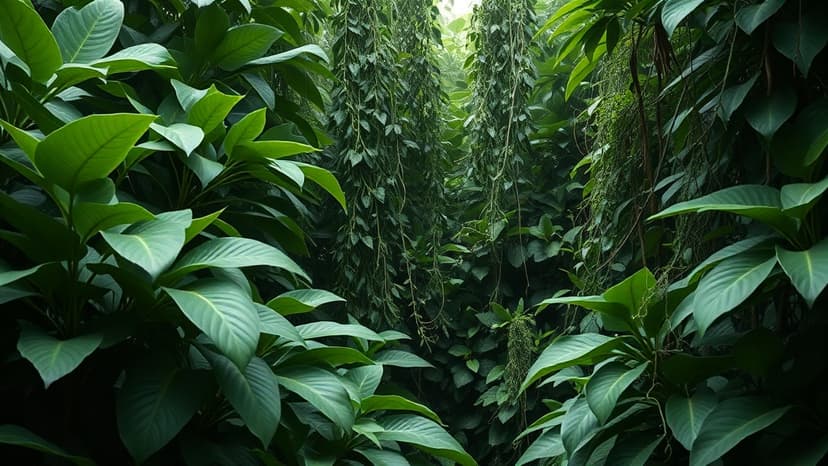
Sun, Moon, Insects: How India's Tribe Survives

Nestled within Kerala's Nilambur forest, the Cholanaikkan tribe represents one of India's most secluded and smallest indigenous groups. Their existence is deeply intertwined with the natural world, relying on the sun, moon, insects, and wind to mark the passage of time. This unique lifestyle means they live without conventional calendars or clocks, embracing a temporal awareness dictated solely by the forest's rhythms.

The Cholanaikkans possess a language unique to their community, further highlighting their distinct cultural heritage. However, their numbers are critically low, with only a few hundred individuals remaining. Strict regulations limit access to their ancestral lands, preserving their world but also contributing to its isolation and gradual disappearance. Their way of life, governed by nature's cues rather than measured by artificial means, is a rare phenomenon.

This documentary offers a scarce opportunity to witness a community that thrives by attuning itself to the environment rather than imposing external structures. Their existence is a poignant reminder of ancient traditions and the delicate balance of isolated cultures in the face of a rapidly changing world, underscoring the urgency of understanding and preserving such unique ways of life.

Disclaimer: This story has been auto-aggregated and auto-summarised by a computer program. This story has not been edited or created by the Feedzop team.
The Cholanaikkan tribe lives deep inside the Nilambur forest in Kerala, India.
The Cholanaikkan tribe reads the sun, moon, insects, winds, and shadows to determine time.
Their numbers are few, and strict access restrictions to their land contribute to their isolation and the slow disappearance of their unique culture.

Read more news on

Environmentside-arrow

You may also like

Peacocks Found Thriving in Snow Near Manali

1 day ago • 9 reads

article image

Astronaut Sunita Williams Savors Kerala Falooda

27 Jan • 53 reads

article image

Kerala's First Butterfly Sanctuary Takes Flight

8 Jan • 146 reads

article image

Wayanad Village: Wildlife Meets Technology

3 Dec, 2025 • 330 reads

article image

Gold Chain Dispute Leads to Mother's Murder

26 Nov, 2025 • 325 reads