Home / Environment / China's Ancient Secret: Harvesting Rain for Modern Cities
China's Ancient Secret: Harvesting Rain for Modern Cities
16 Jan
Summary
- Beijing's National Stadium recycles 50% of its water needs from collected rainwater.
- China's 'sponge city' concept revitalizes ancient water systems for modern use.
- The URWH industry in China reached 126 billion yuan in 2023.
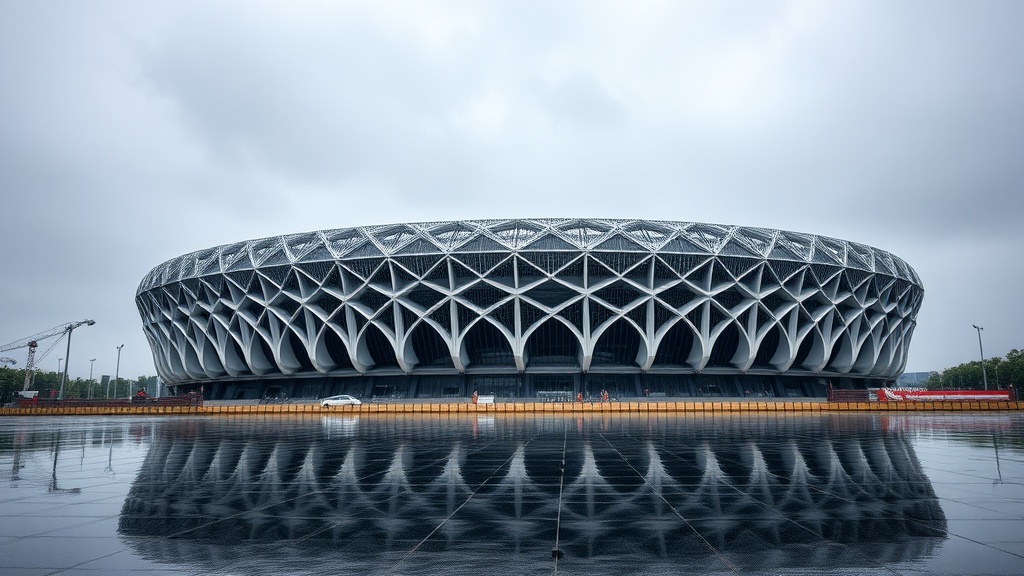
China is modernizing ancient practices to tackle water scarcity through urban rainwater harvesting (URWH). Iconic venues like Beijing's National Stadium, the Bird's Nest, exemplify this by recycling rainwater to meet over half their water demands. This system channels precipitation into underground tanks for filtration and reuse.
The nation's embrace of URWH is intrinsically linked to the 'sponge city' concept, a strategy inspired by historical water management. This approach uses natural and engineered systems to mitigate floods and droughts, particularly crucial for China's arid northern regions.
URWH is now a fundamental part of China's national planning, with a target for 70% of rainfall in sponge cities to be reused. The industry supporting this, including storage and filtration, was valued at 126 billion yuan in 2023, indicating its substantial economic impact and future growth potential.