Home / Environment / China's Green Great Wall Grows: 50 Years of Greening
China's Green Great Wall Grows: 50 Years of Greening
26 Dec
Summary
- China's "Green Great Wall" project aims to combat desertification across 13 provinces.
- Approximately 78 billion trees have been planted by citizens between 1982 and 2021.
- Forest coverage has increased to nearly 25% due to decades of afforestation efforts.
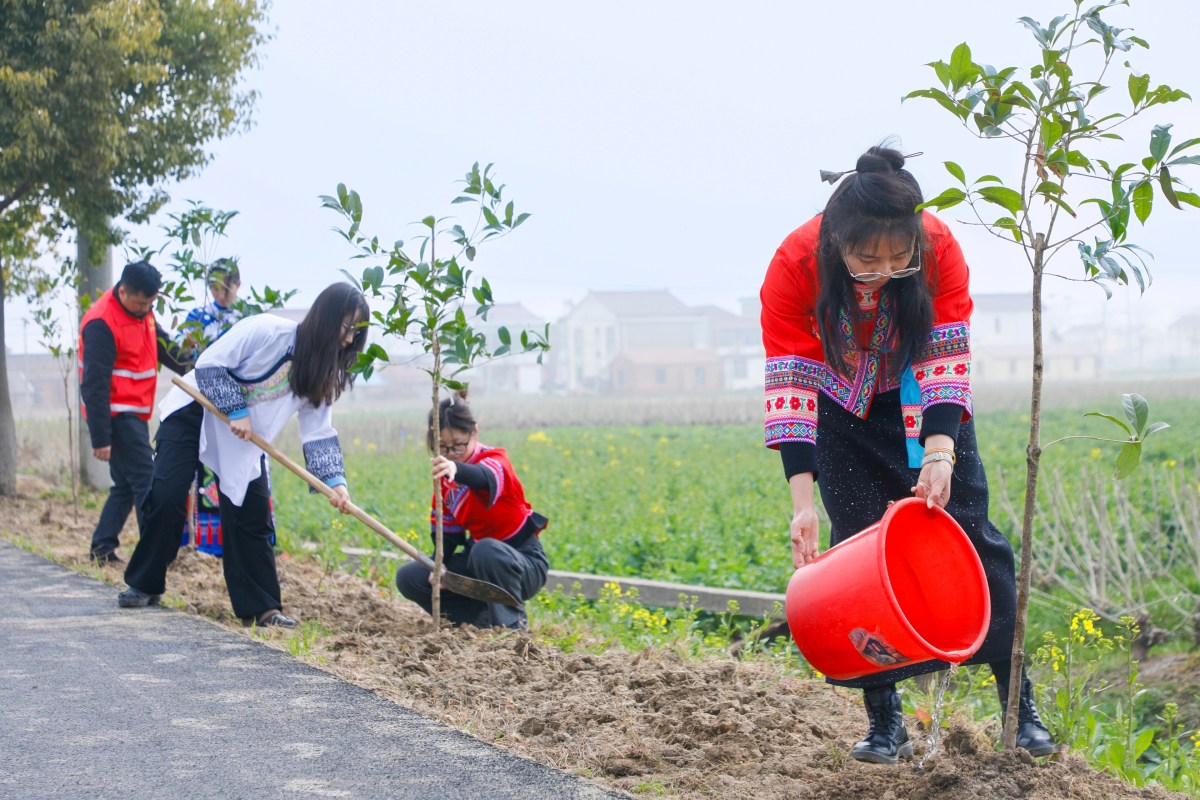
China's ambitious "Green Great Wall" project, officially the Three-North Shelterbelt Program, has been actively expanding forests for half a century. Launched in 1978, this initiative covers 13 northern provinces, aiming to counter desertification and soil erosion. Since 1982, Chinese citizens have planted approximately 78 billion trees, boosting national forest coverage to nearly 25 percent.
Significant transformations are evident in areas like the Kubuqi Desert and the Saihanba forest. The Kubuqi Desert, once a major source of desertification, is now being reshaped with solar installations. Saihanba, historically degraded, has been restored into a nature reserve, providing vital water and oxygen resources to nearby cities like Beijing and Tianjin.
This ongoing afforestation drive is integral to China's climate mitigation strategy, contributing to carbon uptake and creating forestry-related jobs. The government plans to complete the Three-North Shelterbelt Program by 2050, with the "three north" regions accounting for 45 percent of the country and 84 percent of its desertified land.