Home / Environment / Chesapeake Bay Grasses Surge 13% in 2025
Chesapeake Bay Grasses Surge 13% in 2025
9 Sep
Summary
- Underwater grasses in Maryland's bay portion grew nearly 13% in 2025.
- This expansion provides vital habitat for blue crabs and fish.
- Restoration targets are being met, showing progress toward a healthier bay.
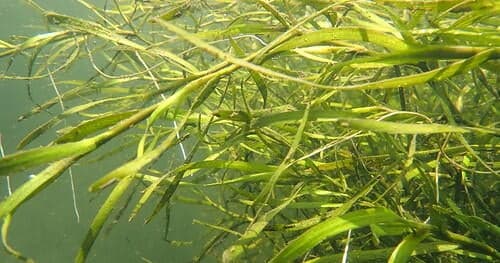
Underwater grasses within Maryland's Chesapeake Bay saw a significant increase of almost 13% in 2025. The total acreage covered by these vital submerged aquatic vegetation (SAV) beds expanded from 36,799 acres in 2024 to 41,419 acres in 2025. This growth is crucial for the bay's ecosystem, providing essential habitat for blue crabs and various fish species. It also contributes to cleaner water and a more resilient bay environment.
The expansion was not limited to a single area, indicating a widespread positive trend. While this represents about 36% of Maryland's restoration target of 114,065 acres, officials stress that ongoing efforts are necessary. Continued reduction of pollution, protection of existing SAV beds, and restoration of shallow-water habitats are vital for sustaining these plants and the wildlife that depends on them. These underwater meadows also play a role in carbon storage and mitigating coastal acidification.
Freshwater segments within Maryland's tidal waters showed notable gains, with seven areas meeting or exceeding their SAV restoration goals. Specific rivers like the Upper Chester River exceeded its goal by over 500%. While some areas like Mattawoman Creek experienced a loss, overall progress is a testament to the dynamic nature of these ecosystems and the importance of sustained conservation efforts. Monitoring and water quality improvements remain key to ensuring the long-term health of the Chesapeake Bay.


