Home / Environment / Rare Flesh-Eating Bacteria Surges in Chesapeake Bay
Rare Flesh-Eating Bacteria Surges in Chesapeake Bay
12 Aug
Summary
- A rare 'flesh-eating' bacteria, Vibrio vulnificus, is increasing in Maryland and Virginia.
- Warm water temperatures and nutrient pollution are significant drivers of the bacteria's rise.
- Precautions include avoiding swimming with open wounds and cooking seafood thoroughly.
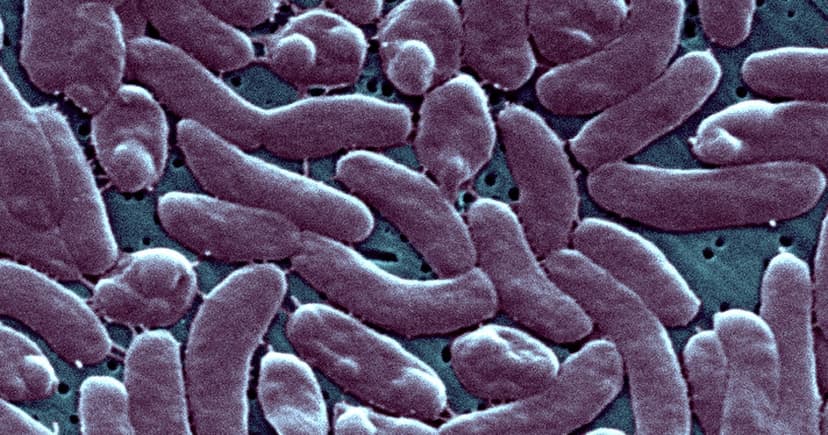
Health officials are warning of an increase in Vibrio vulnificus, a rare "flesh-eating" bacteria, across Maryland and Virginia. This dangerous pathogen thrives in warmer, brackish waters, with recent years seeing a notable rise in confirmed cases. Shawn Rverett, a survivor, shared his harrowing experience after a leg injury from an oyster cage led to a severe infection, underscoring the need for prompt medical attention.
The escalating prevalence is linked to warming water temperatures, a consequence of climate change. "Vibrio also thrives in lower oxygen conditions - another byproduct of warming water that might contain excess nutrient runoff," stated Gussie Maguire of the Chesapeake Bay Foundation. August is identified as a peak month for vigilance due to elevated water temperatures.
Experts suggest that reducing pollution can significantly curb the spread of Vibrio. "Vibrio feed on microscopic animals that rely on algae that can result from nutrient pollution," explained Mike Gerel, Virginia Science Manager for the foundation. Measures like streamside buffers can help filter pollution and keep water cooler.
While the CDC estimates around 80,000 Vibrio cases annually, mostly from food, precautions in natural waters are crucial. Avoiding swimming with open wounds, showering post-swim, and refraining from entering water for 48 hours after rainfall are recommended. Proper cooking of shellfish and oysters is vital for preventing infection. "Enjoy the Bay, enjoy your local waterways, and enjoy your oysters this summer," Maguire advised. "But be smart."


