

Home / Environment / Wild Horses Thrive in Chernobyl's Exclusion Zone
Wild Horses Thrive in Chernobyl's Exclusion Zone
19 Apr
Summary
- Przewalski's horses were reintroduced to Chernobyl in 1998.
- Wildlife has returned, transforming the exclusion zone.
- Wartime activities have introduced new threats to the zone.
Four decades after the 1986 nuclear disaster, the Chernobyl exclusion zone, deemed too dangerous for humans, has become a haven for wildlife. Przewalski's horses, native to Mongolia and once on the brink of extinction, were reintroduced in 1998 as part of an experiment. Today, these stocky, sand-colored equines roam freely across the vast, contaminated landscape.
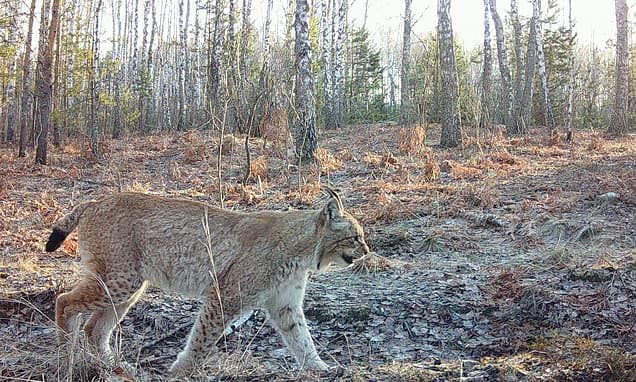
Nature has shown remarkable resilience within the zone. Wolves now prowl the land, brown bears have returned after a century's absence, and populations of lynx, moose, and deer have rebounded. The absence of human pressure has allowed parts of the zone to revert to a more natural state, resembling European landscapes from centuries past.
While scientists observe subtle effects of radiation on some species, such as darker frog skin and bird cataracts, the return of life is significant. However, new threats have emerged due to Russia's 2022 invasion. Fighting, fires linked to military activity, and harsh wartime winters have impacted the ecosystem, with increased fallen trees and animal casualties.
Despite these challenges, the Chernobyl zone remains a place of stark beauty, where life perseveres. It is a unique testament to nature's ability to recover, even in the most hazardous environments. The zone, however, is now also a monitored military corridor, remaining off-limits for human habitation for generations to come.
