

Home / Environment / Wild Horses Thrive in Chernobyl's Exclusion Zone
Wild Horses Thrive in Chernobyl's Exclusion Zone
19 Apr
Summary
- Przewalski's horses were reintroduced to Chernobyl in 1998.
- Wildlife has returned, transforming the exclusion zone.
- Wartime activities have introduced new threats to the zone.
Four decades after the 1986 nuclear disaster, the Chernobyl exclusion zone, deemed too dangerous for humans, has become a haven for wildlife. Przewalski's horses, native to Mongolia and once on the brink of extinction, were reintroduced in 1998 as part of an experiment. Today, these stocky, sand-colored equines roam freely across the vast, contaminated landscape.
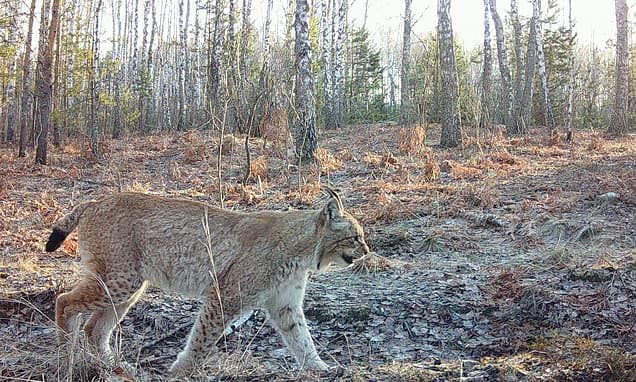
Nature has shown remarkable resilience within the zone. Wolves now prowl the land, brown bears have returned after a century's absence, and populations of lynx, moose, and deer have rebounded. The absence of human pressure has allowed parts of the zone to revert to a more natural state, resembling European landscapes from centuries past.
