Home / Environment / Chennai's Concrete Jungle Needs Vertical Forests
Chennai's Concrete Jungle Needs Vertical Forests
31 Jul
Summary
- Chennai's green cover decreased from 25% in 2014 to 10% in 2024.
- Student proposes vertical forest cities integrating urban farming and biodiversity.
- Reviving historic water bodies can create climate-resilient cities.
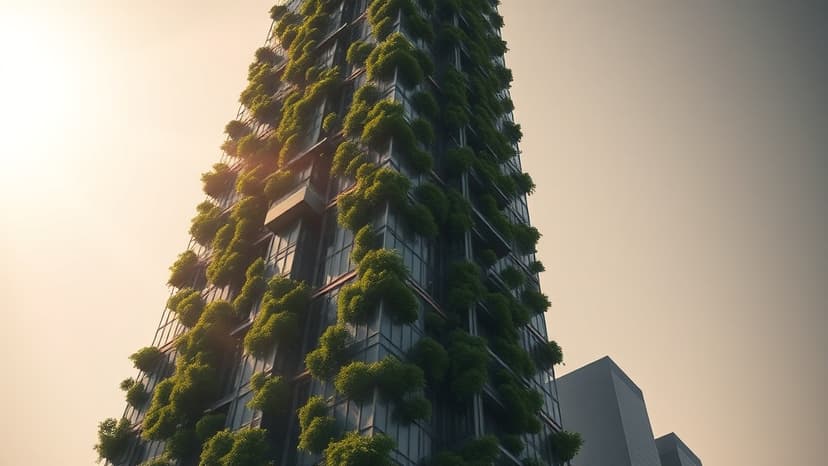
Chennai's rapid urbanization has led to a significant decrease in green cover, impacting its climate and increasing heat stress. Between 2014 and 2024, the city's vegetation declined from 25% to 10%, while built-up areas expanded dramatically. Architecture students are proposing integrated 'vertical forest cities' that combine skyscrapers with urban farming, biodiversity corridors, and cooling landscapes.
These proposals emphasize redesigning future high-rise developments to unify architecture and ecology. The focus is on creating self-sustaining systems where vegetation and water management work in tandem with building performance. These principles are being adapted to suit India's specific climate and urban conditions.
Addressing Chennai's water crisis, another student's research highlights the potential of reviving traditional water systems. The study explores how historical elements like temple tanks and lakes can be regenerated to harvest rainwater, recharge groundwater, and mitigate flooding. This approach aims to create water-positive cities that are climate-resilient and enhance community life.


