Home / Environment / Chennai's Inland Fish Vanish Due to Pollution, Encroachment
Chennai's Inland Fish Vanish Due to Pollution, Encroachment
26 Aug
Summary
- Madras rivers, once abundant with diverse fish, are now polluted sewage carriers.
- Inland fishermen have shifted to sea fishing, facing challenges with modern boats.
- Fishing communities advocate for development that respects their traditional livelihood.
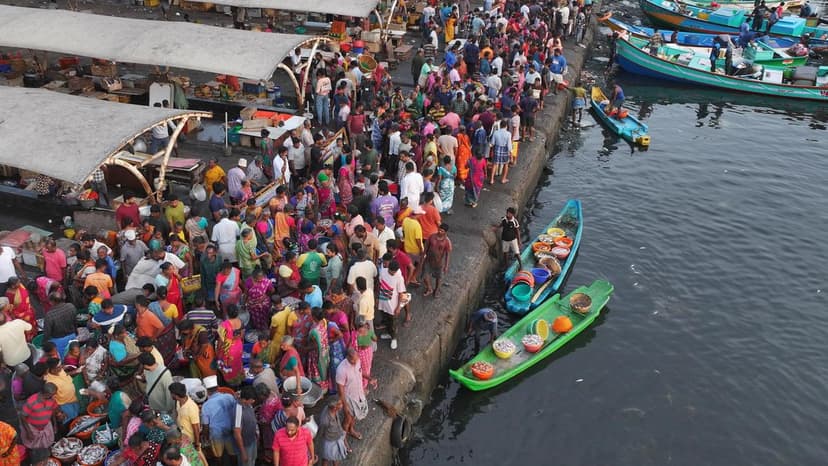
For decades, residents of Madras relied on fresh catches from local rivers and estuaries. Fish varieties like madava and era were common, with fishmongers announcing their wares throughout neighborhoods. Inland fishing thrived in areas like Pattinampakkam and Saidapet, utilizing small nets and catamarans on pristine waters.
However, pollution, encroachments, and a lack of river desilting have transformed these waterways into sewage carriers, decimating fish populations and their food sources. As a result, the few remaining inland fishermen now register as sea fishermen and only fish in rivers during rainfall. The vibrant cooperative societies have dwindled significantly.
Over time, sea fishing has become the primary source of fish for Chennai residents, with numerous fishing hamlets lining the coast. The Kasimedu Fishing Harbour, equipped with nearly 900 mechanized boats and hundreds of smaller vessels, now handles a significant catch. Traditional wooden catamarans have been replaced by sturdier fiberglass reinforced plastic (FRP) boats, some capable of week-long sea voyages.
Despite the modernization, fishing communities report feeling marginalized, facing low rates for their catch and unhygienic harbor conditions. They are pushing back against development projects that threaten their homes and traditional practices, emphasizing the need for governmental support and recognition, similar to that provided to farmers, to ensure their villages can grow with their population.


