Home / Environment / Chennai Explores Incinerators for Legacy Waste Crisis
Chennai Explores Incinerators for Legacy Waste Crisis
1 Nov
Summary
- NGT urges Chennai to explore incinerator use for bio-mined waste.
- Bioremediation deadlines for legacy waste set for 2026 and 2027.
- New waste processing facilities are planned across Chennai.
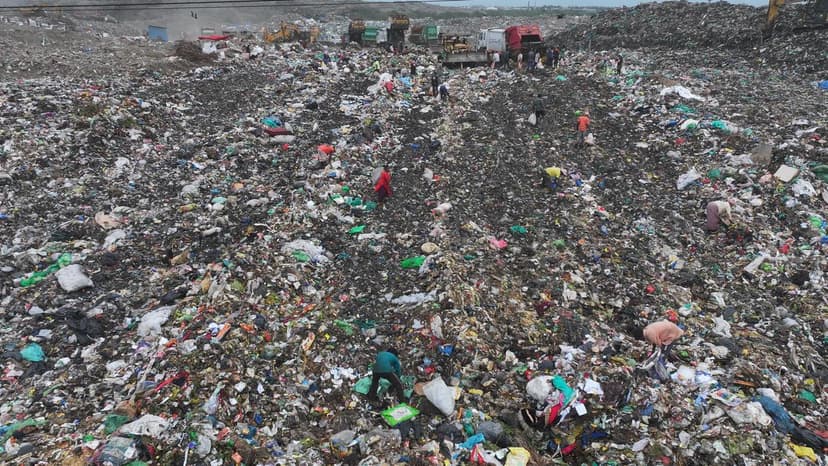
The southern bench of the National Green Tribunal (NGT) has directed the Tamil Nadu Department of Municipal Administration and Water Supply (MAWS) and the Greater Chennai Corporation (GCC) to investigate the use of incinerators for waste management.
This directive specifically targets the processing of bio-mined waste, drawing parallels with successful incinerator operations in Gujarat and other Indian states. The NGT's suo motu case on Chennai's legacy waste highlighted the persistent challenge of remediation.
MAWS reported that bioremediation at Kodungaiyur and Perungudi is slated for completion by May 2027, with Athipattu expected to be finished by December 2026. Chennai generates approximately 5,900 tonnes of solid waste daily.
The GCC's current wet waste processing infrastructure includes Bio-CNG plants and Micro Composting Centres. Proposals for additional facilities in Madhavaram, Chetpet, Sholinganallur, and Koyambedu are underway.
Until these new facilities are operational, segregated wet and dry waste are transported separately for disposal. The Corporation is also actively enumerating bulk waste generators and assigning nodal officers for waste management coordination.
The NGT has scheduled further hearings on January 20, 2027, to review progress on exploring incinerator options.


