Home / Environment / Chandrapur: World's Tiger Capital Needs Official Status
Chandrapur: World's Tiger Capital Needs Official Status
12 Mar
Summary
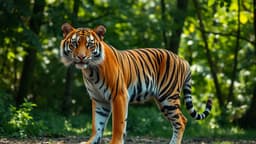
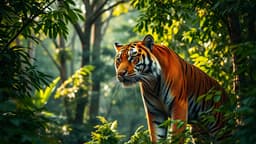
- Chandrapur hosts over 250 tigers, the highest global concentration.
- Activist demands 'Tiger District' status for enhanced conservation efforts.
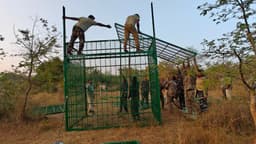
- Human-tiger conflict has led to nearly 200 villager deaths in five years.
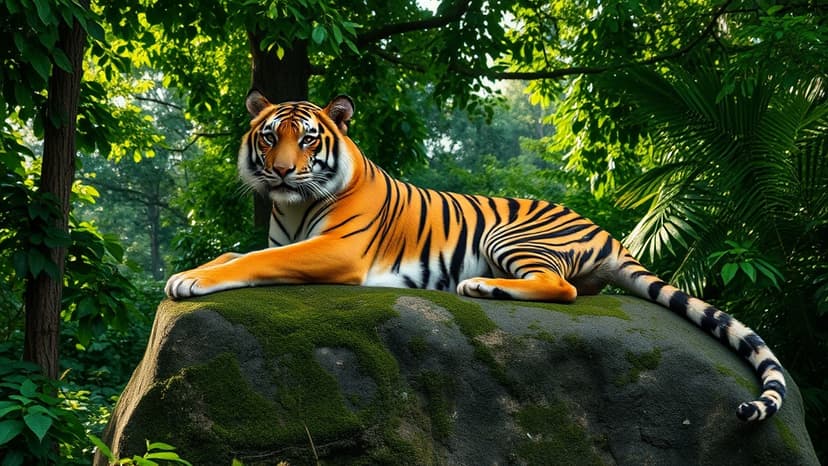
Environmental activist Bandu Dhotre has reignited his call to officially designate Chandrapur as a 'Tiger District'. This is driven by the district's current status as the global epicenter for tigers, with a population now exceeding 250. Dhotre argues for a unified administrative structure to bolster conservation strategies and mitigate growing human-tiger conflict.
The proposal comes amidst ongoing activism against a proposed iron ore mine in the Tadoba corridor. Wildlife experts confirm Chandrapur's significant tiger density, effectively making it a global hub. The district's tiger population contributes substantially to Maharashtra's total, which itself is a major contributor to India's national tiger count.
Chandrapur's tiger landscape encompasses the Tadoba-Andhari Tiger Reserve and three adjacent territorial forest divisions. This interconnected network supports tiger breeding and dispersal. However, this thriving population has led to a sharp increase in human-tiger conflict, with approximately 200 villagers losing their lives to tiger attacks in the past five years.
Dhotre initially proposed this 'Tiger District' status in July 2012. A committee was formed, and a draft proposal was prepared in 2013, but administrative changes led to its delay. The plan advocates for recognizing all tiger-inhabited forests as 'tiger-sensitive zones', ensuring equitable resource allocation and improved infrastructure for forest personnel.
Supporters believe this declaration will lead to uniform funding, better staffing, and coordinated measures for conflict mitigation. This, in turn, would strengthen wildlife conservation and enhance the safety of communities living near forest fringes.