Home / Environment / Invisible Poisons Choke India's Cauvery River
Invisible Poisons Choke India's Cauvery River
3 Jan
Summary
- Untreated sewage and industrial waste flow into Cauvery, acting as a sink.
- Farmers report clandestine dumping of effluents under cover of night.
- Contaminants like pharmaceuticals and heavy metals are detected in river water.
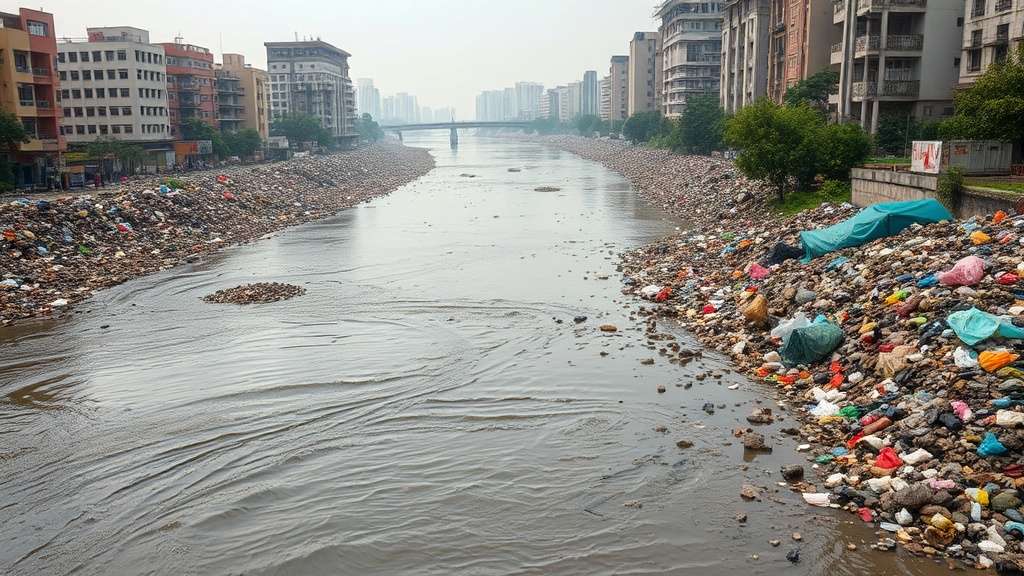
The Cauvery River, a vital water source for generations, is now struggling with severe pollution from untreated sewage and industrial effluents. Communities along its banks report alarming practices, including the clandestine discharge of waste under the cover of night to dilute its impact. Scientific studies have begun to confirm these suspicions, detecting pharmaceutical compounds, heavy metals, and other harmful substances not removed by conventional treatment systems.
Major urban centers like Erode and industrial belts in Karur and Namakkal are significant contributors to the problem. Despite regulations, many industrial units, particularly dyeing and tanning businesses, allegedly bypass treatment processes, illegally discharging wastewater directly into the river or its tributaries. Inadequate sewage treatment infrastructure in numerous towns means domestic waste also heavily pollutes the water, impacting irrigation channels and agricultural productivity.
The cumulative effect of this pollution, compounded by issues like sand mining and the encroachment of traditional buffer zones, is a drastic decline in the river's self-purification capacity. This environmental degradation leads to severe agricultural consequences, including reduced crop yields and soil deterioration, alongside reported health issues among farmers, highlighting an urgent need for comprehensive waste management and pollution control measures.