Home / Environment / Cattle Grazing Sparks Biodiversity Boom in Dales
Cattle Grazing Sparks Biodiversity Boom in Dales
6 Mar
Summary
- Cattle grazing increased plant diversity by over 40% at Ingleborough.
- Butterfly numbers multiplied fivefold in areas grazed by cattle.
- Cattle act as 'ecosystem engineers,' spreading seeds and opening swards.

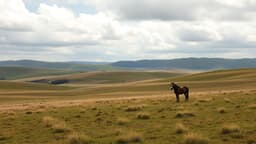
A research project at the Yorkshire Dales' Ingleborough nature reserve has demonstrated a substantial increase in biodiversity following a shift from sheep to cattle grazing. Initiated in 2004 as part of the Wild Ingleborough project, the change has led to remarkable ecological improvements.
University of Leeds researchers observed that cattle-grazed areas experienced over a 40% rise in plant diversity. Furthermore, butterfly populations surged dramatically, with five times more butterflies found in these locations compared to sheep-grazed sites. This indicates a healthier and more robust ecosystem.
Described as "ecosystem engineers," the native cattle like red poll, shorthorn, and belted Galloway play a crucial role. Their grazing method, which involves pulling grass with their tongues, opens up the landscape for flowers. They also contribute to seed dispersal through their hooves, dung, and coats.
The success of this initiative is notable, particularly for rare wildflower species and declining butterfly populations, some of which are on the UK's conservation red list. The findings, published in Ecological Solutions and Evidence, suggest valuable lessons for traditional upland farming practices.