Home / Environment / Caspian Sea Faces Existential Threats, UN Acts
Caspian Sea Faces Existential Threats, UN Acts
15 Feb
Summary
- Caspian Sea faces falling water levels and biodiversity loss.
- New UN protocol mandates cross-border environmental impact assessments.
- Five Caspian states must cooperate to protect the sea's future.
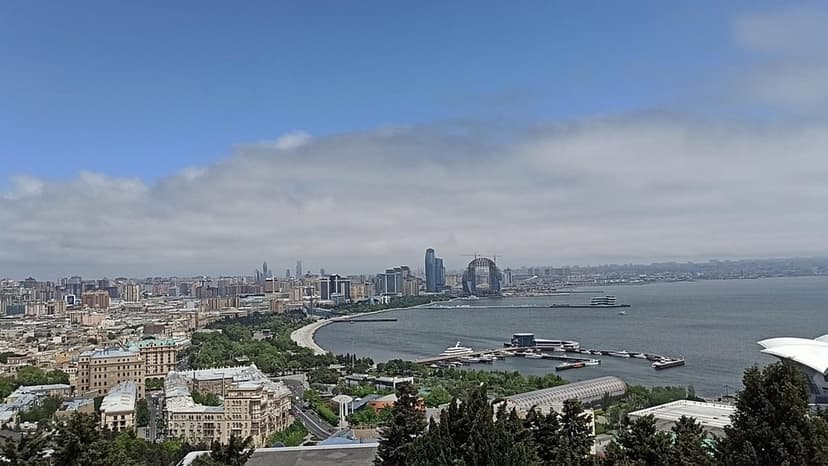
The Caspian Sea is confronting significant environmental challenges, including diminishing water levels and a loss of biodiversity. These escalating risks were recently highlighted at the United Nations by Azerbaijan, as new international regulations for large regional infrastructure projects took effect. Senior officials and environmental experts emphasized the need for ongoing monitoring, enhanced scientific data, and improved collaboration among the Caspian littoral states and international partners.
These diplomatic efforts align with a new Protocol on Environmental Impact Assessment under the Tehran Convention. This legally binding protocol mandates that major infrastructure projects, such as oil and gas facilities and transport corridors, undergo assessments for potential cross-border environmental impacts if requested by another Caspian state. Public access to these assessments and approval from affected nations are prerequisites for construction.
The Caspian Sea is grappling with the combined impacts of climate change, biodiversity loss, and pollution. Regional cooperation is deemed essential for addressing these threats effectively. The Tehran Convention, signed by Azerbaijan, Iran, Kazakhstan, Russia, and Turkmenistan, provides the framework for this cooperation, aiming to protect the marine environment and foster sustainable development.
This reinforced focus on environmental protection aims to bring the Caspian region closer to international standards amidst rapid economic expansion. The sea's environmental health is crucial for the region's economy and its role in key Europe-Asia energy and transport corridors. Stronger oversight is necessary to prevent habitat loss, pollution, and water-level fluctuations from negatively impacting ecosystems and economic connectivity.