Home / Environment / Half of Caribbean Coral Gone Since 1980
Half of Caribbean Coral Gone Since 1980
9 Dec
Summary
- Caribbean reefs lost 48% of hard coral since 1980.
- Marine heatwaves caused the most destructive stress recorded.
- Reef tourism contributes 10% to Caribbean GDP annually.
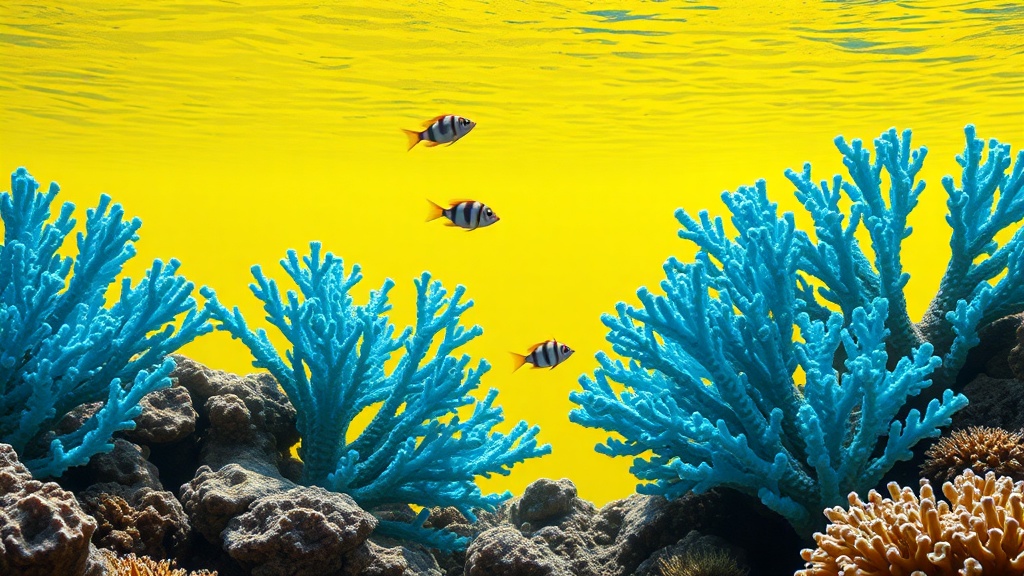
Caribbean reefs have experienced a dramatic reduction in hard coral cover, with a 48% decrease reported since 1980. This alarming trend is largely attributed to climate breakdown, specifically the impact of marine heatwaves. These events disrupt the symbiotic relationship between coral and the microalgae that sustain them, leading to widespread bleaching and coral death.
The situation worsened significantly in 2023-24, which saw the most destructive thermal stress ever recorded, causing a substantial year-on-year drop in coral cover. Once vibrant ecosystems supporting diverse marine life, these reefs are now often characterized by bleached, dying coral, drastically altering the underwater landscape and impacting the health of marine species.
Despite the severe decline, there are glimmers of hope. Conservation successes, such as the establishment of a new marine protected area in Mexico's Gulf, demonstrate that reefs can rebound when pressures are reduced and sustained resources are provided. Experts emphasize that addressing climate change and local threats like pollution and overfishing are crucial for the future of Caribbean coral reefs.