Home / Environment / California Rethinks Nuclear Ban Amid AI Energy Surge
California Rethinks Nuclear Ban Amid AI Energy Surge
2 Mar
Summary
- California's 50-year nuclear moratorium faces challenges due to rising AI energy needs.
- New legislation aims to allow next-generation nuclear tech licensed by the federal government.
- Environmental groups remain divided on nuclear energy's role in meeting climate targets.
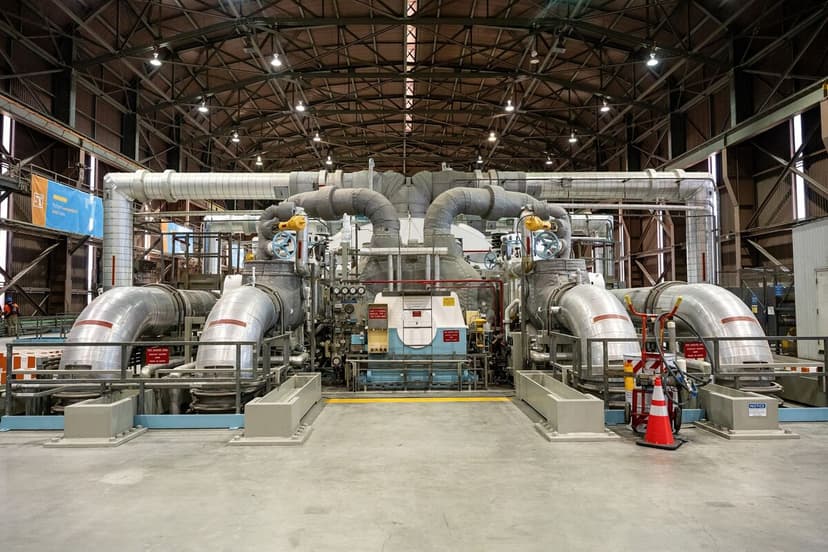
California is reconsidering its 50-year ban on nuclear energy as surging electricity demand from artificial intelligence clashes with the state's climate objectives. New legislation introduced last month proposes allowing the deployment of next-generation nuclear technologies that have received federal government licenses since 2005. This move acknowledges the necessity of nuclear power to achieve the state's clean energy targets, such as 90% clean electricity by 2035 and 100% by 2045.
The proposed bill reflects a broader trend, with three other states also considering easing limits on nuclear power. This resurgence of interest is partly driven by significant federal investment and billions in private funding for small, modular reactors, which promise faster and cheaper construction than traditional plants. Historically, California's ban, enacted in 1976, prohibited new plants until radioactive waste disposal technology was available, which has not yet materialized.
However, opposition to nuclear energy persists. Some environmental groups argue that clean energy goals can be met without new nuclear facilities, expressing concerns about AI's projected energy consumption. Utilities are currently assessing the potential impacts of the new legislation, with some stating that all energy options should remain on the table to ensure a reliable and affordable system while meeting climate targets.