Home / Environment / Battery Fire's Toxic Fallout Lingers in California
Battery Fire's Toxic Fallout Lingers in California
1 Dec
Summary
- Heavy metal fallout from Vistra's battery fire contaminates local wetlands.
- Nickel, manganese, and cobalt particles were found miles from the fire.
- Metals remobilize in environment, posing ongoing risks to marine life.
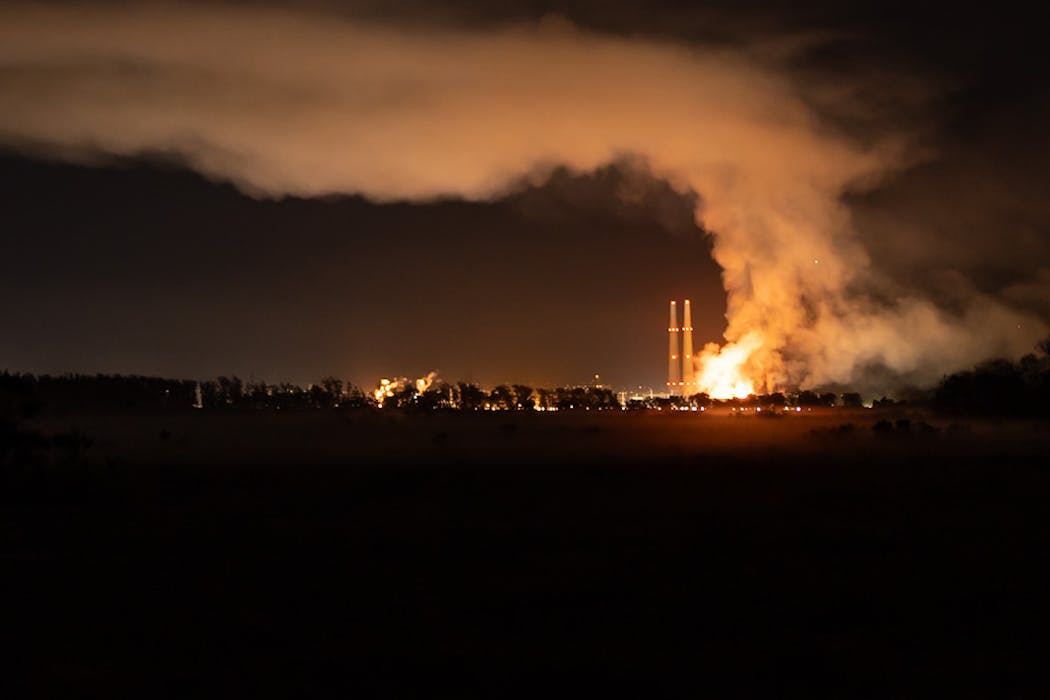
In January 2025, a fire at the Vistra battery energy storage facility in Moss Landing, California, released a toxic plume over surrounding communities and wetlands. Despite an initial air quality all-clear, heavy metal fallout was later discovered on the ground, posing risks to humans and wildlife. The fire ejected hazardous gases and charred battery fragments containing nickel, manganese, and cobalt.
Marine geologists studying nearby marshes found significant deposits of these metals, estimating around 25 metric tons in the wetlands alone. Microscopic metallic particles were identified, linking the contamination directly to the batteries. While surface metal concentrations decreased after rain, the metals were remobilized, with some potentially entering the estuary's food web.
The incident highlights the need for enhanced safety measures as battery storage expands. Newer battery chemistries and improved soil testing methods are crucial. The long-term effects of metal bioaccumulation in local marine life, including sea otters and harbor seals, are still being studied, indicating persistent environmental risks.