Home / Environment / Brazil Sharks: From Catch to Conservation
Brazil Sharks: From Catch to Conservation
17 Jul
Summary
- Pregnant blacktip sharks frequent a Brazilian cove, driving conservation efforts.
- Brazil is the largest shark meat consumer but sharks face extinction.
- Shark meat in Brazil is sold as 'cação' and can contain heavy metals.
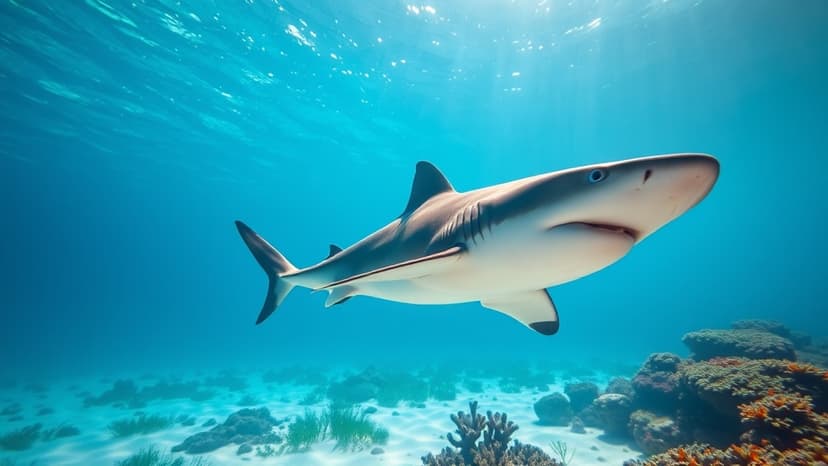
A significant shift in perception is occurring in Brazil's Ilha Grande bay, where blacktip sharks, once seen as a food source, are now a focus of dedicated conservation. Scientists identified a cove as a crucial nursery for pregnant blacktip sharks, spurring protection initiatives. This effort is vital as Brazil stands as the world's largest consumer of shark meat, while sharks globally are critically threatened.
The Sharks of Ilha Grande Bay project, run by the Brazilian Institute for Nature Conservation, emphasizes the identification of shark nurseries like Piraquara de Fora cove. This initiative aims to educate local communities, like that led by Marlene Fernanda do Nascimento Martins, about the importance of protecting these vulnerable animals. Sharks reproduce slowly, making breeding areas essential for their survival in the Atlantic ecoregion.
Researchers are employing advanced methods, including submerged cameras and drone footage, to gather data for conservation advocacy. The project also targets sand tiger and hammerhead sharks and plans environmental education in schools. Communication efforts highlight that sharks pose no threat to humans and there have been no recorded incidents in the region.
While Brazil prohibits targeted shark fishing, incidental bycatch remains an issue. Shark meat is often ambiguously sold as 'cação.' Project coordinator José Truda Palazzo notes that discouraging consumption is yielding results, with information shared about the ecosystem's importance and health risks. Studies reveal shark meat can accumulate heavy metals like mercury and arsenic, and even tested positive for cocaine in some instances.
Beyond conservation, the project sees potential for ecotourism, offering an alternative income source for communities like Nascimento Martins'. This aligns with the goal of preserving the local environment and heritage. Reinaldo Dias da Rocha advocates for passing on conservation messages to younger generations and tourists, reinforcing that 'cação' is shark meat and should not be consumed.


