Home / Environment / From Two Pairs to Thousands: Boulders Beach Penguin Success
From Two Pairs to Thousands: Boulders Beach Penguin Success
4 Aug
Summary
- African penguins are critically endangered, with Boulders Beach as a rare bright spot.
- Immigrant penguins boosted Boulders' numbers; fishing restrictions aided food supply.
- Boulders Beach, a tourist attraction, offers safe swimming with wild penguins.
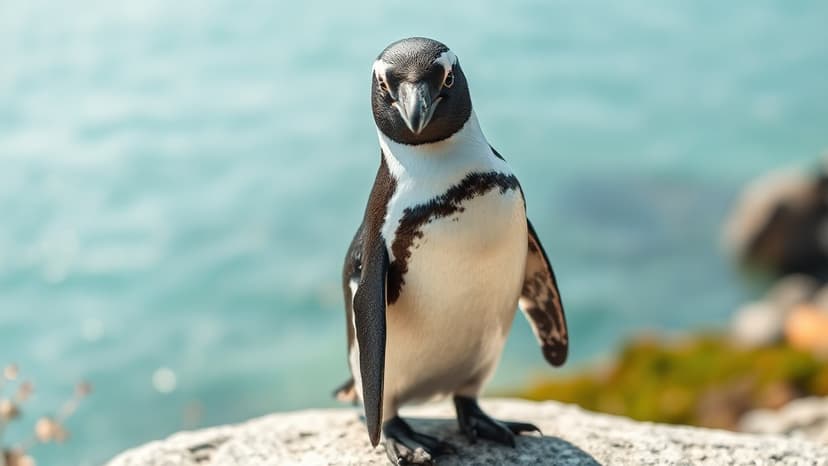
Boulders Beach, near Cape Town, has witnessed an extraordinary population boom of African penguins. In 1982, only two pairs were present; today, thousands inhabit the shore. This growth is largely attributed to penguins relocating from other declining colonies, seeking refuge on this protected mainland beach. The African penguin, now listed as Critically Endangered by the IUCN in October 2024, has found a vital sanctuary at Boulders.
The influx of penguins coincided with South Africa's restriction of commercial pelagic trawling in False Bay, significantly increasing the availability of sardines and anchovies. This change allowed penguins to find food more easily, reducing the abandonment of eggs and chicks due to long foraging trips. Similar conservation successes have been noted elsewhere, with no-fishing zones drastically cutting penguins' foraging efforts.
Despite the positive trend at Boulders, where 790 breeding pairs were counted in June 2026, conservationists caution that this single success does not signify a full recovery for the species. However, Boulders Beach remains a rare positive example, especially as other island colonies continue to shrink. The beach itself has gained international acclaim, ranking among the world's best.
This success is bolstered by local conservation efforts, including the establishment of no-fishing zones around other key breeding sites, like Dassen Island and Robben Island, sanctioned in March 2025. Boulders Beach, already within its own marine protected area, benefits from these broader initiatives aimed at giving the species more time to recover. The area has become a unique tourist attraction, allowing visitors to swim with penguins while actively protected by local conservation measures and community awareness.


