Home / Environment / Bor Rises: Flooded Town Becomes Climate Resilience Model
Bor Rises: Flooded Town Becomes Climate Resilience Model
11 Dec
Summary
- A $5.4m climate-resilient water plant replaced Bor's flood-damaged system.
- Solar power minimises running costs and carbon emissions for the plant.
- Eighty percent of Bor's population now has access to clean water.
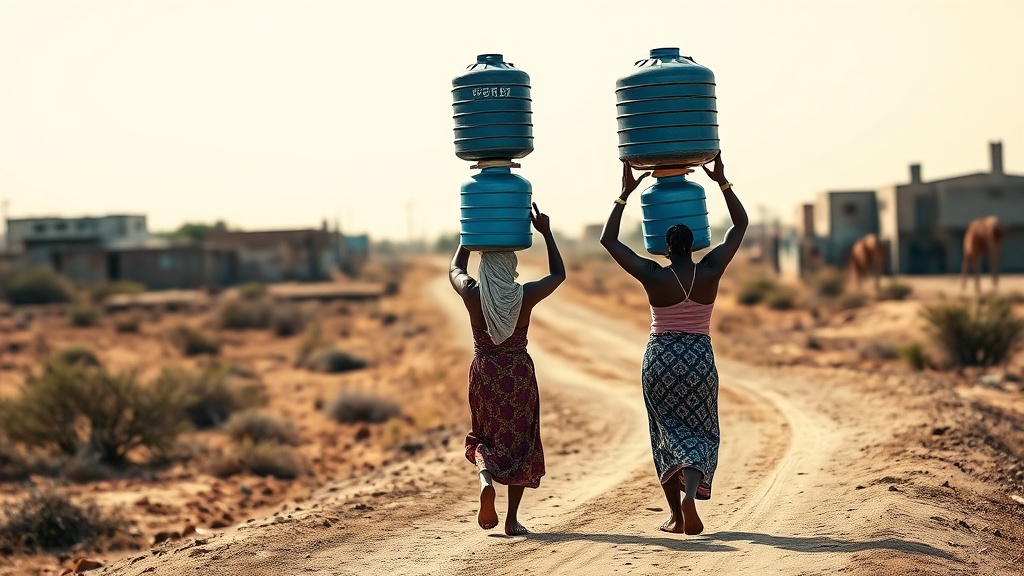
Record floods in 2020 submerged Bor, South Sudan, devastating its infrastructure, including the water system. This crisis spurred a transformation, turning the town into a beacon of climate adaptation. A new $5.4m water treatment plant, funded by the Netherlands and South Korea, now stands as a symbol of resilience.
The "climate-resilient" plant is elevated and powered by solar energy, reducing operational costs and environmental impact. This strategic shift from emergency response to durable solutions has provided clean water to 80% of Bor's 96,000 residents, connecting households, schools, and a hospital.
The project has also boosted the local economy by training 30 staff and improving access to clean water, which has positively impacted school attendance and women's daily chores. Bor's success highlights the potential for climate adaptation, though significant investment is still needed across South Sudan.