
Home / Environment / Bluebells Bloom Early: A Sign of Changing Climates
Bluebells Bloom Early: A Sign of Changing Climates
4 May
Summary
- Early bluebell blooms at Blickling Estate due to warm weather.
- Ancient woodlands signal bluebell presence for over 400 years.
- Native bluebells face competition from faster-growing Spanish varieties.
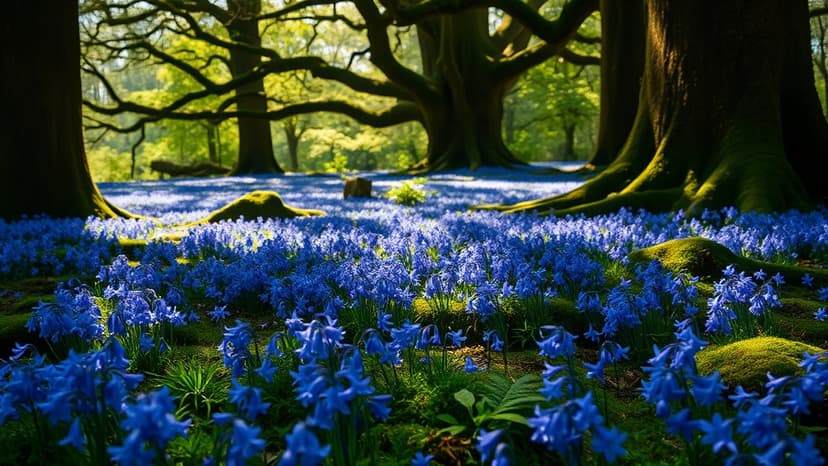
The spectacular display of bluebells at Blickling Estate, Norfolk, has emerged earlier than usual this spring. This phenomenon is attributed to the unusually warm and frost-free early months of the year, according to estate ranger Elissa Healey. She noted that changing climate patterns significantly influence when these flowers bloom, allowing them to maximize available light before the trees canopy over.
The presence of bluebells is a significant marker, indicating that the woodland has been part of the landscape for at least 400 years, signifying its ancient status. Efforts are actively underway to conserve the native British bluebell, which is increasingly challenged by the more aggressive Spanish bluebell. Native bluebells require a longer time to mature from seed compared to their Spanish counterparts.
To ensure visitors can fully appreciate the beauty, the estate actively manages the Great Wood, clearing brambles and implementing measures to prevent trampling by visitors and their dogs. This careful management ensures the preservation of the stunning blue carpets. The unique, sweet fragrance of British bluebells is best experienced during the humid mornings.
