Home / Environment / Biodegradable Wipes: A Five-Week Lie?
Biodegradable Wipes: A Five-Week Lie?
16 Dec, 2025
Summary
- Wipes marketed as biodegradable persist over five weeks in water.
- Flushing causes sewer blockages and 'fatbergs'.
- Wipes escape sewers, polluting rivers and harming wildlife.
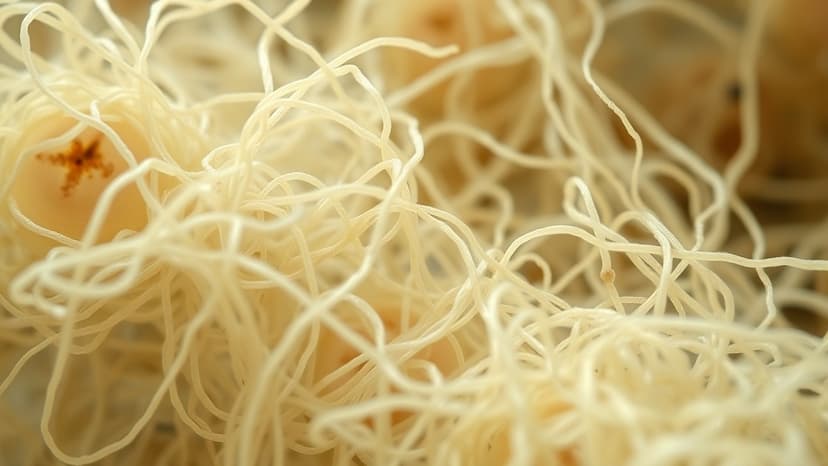
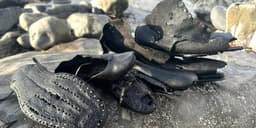
Wet wipes advertised as biodegradable may linger in the environment far longer than consumers expect, according to a recent study. Researchers at Cardiff University found that most of these wipes persist in water for more than five weeks, despite marketing claims of being eco-friendly, plant-based, or plastic-free. This persistence challenges the credibility of biodegradability claims, which are often based on lab tests that do not reflect real-world conditions.
Flushing these wipes can lead to severe sewer blockages and the formation of massive 'fatbergs,' which are costly and time-consuming for utility workers to remove. Beyond sewer systems, flushed wipes frequently escape into rivers, seas, and oceans, contributing to widespread water pollution and endangering wildlife. The study highlighted that wipes made with more natural cellulose degraded faster than those with regenerated cellulose, but fragments still remained for extended periods.
The findings underscore the ecological risks posed by persistent textile fiber pollution. Researchers are calling for updated eco-labels, standardized biodegradability definitions, and more rigorous testing for wet wipe products to ensure accuracy and protect the environment from such persistent pollutants.