Home / Environment / Tiny Bug Battles Invasive River Weed
Tiny Bug Battles Invasive River Weed
28 Jul
Summary
- A tiny Asian leaf miner fly is being tested to control invasive hydrilla.
- The bug weakens hydrilla, making it susceptible to herbicides.
- Cooler Connecticut waters may be ideal for the biocontrol fly.
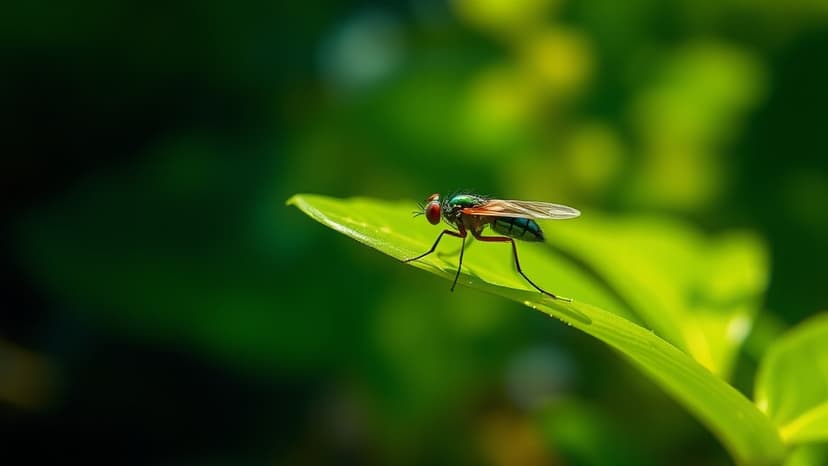
Scientists in Connecticut are pioneering an ambitious effort to control invasive hydrilla using a tiny, winged insect from northern China known as the Asian leaf miner fly. This biological control method aims to protect the Connecticut River, a vital economic resource. The invasive hydrilla has proliferated rapidly, threatening native ecosystems and the river's ecological balance.
The leaf miner fly, host-specific to hydrilla, weakens the plants by boring into their leaves during its larval stage. This weakening, while not killing the plants outright, significantly reduces their structural integrity and photosynthetic processes. Researchers believe this makes the hydrilla more susceptible to herbicides, allowing for reduced herbicide use and frequency.
Previous attempts to use these flies in warmer climates like Florida and Texas yielded disappointing results, potentially due to high water temperatures. Scientists hypothesize that Connecticut's cooler waters and tidal patterns offer a more hospitable environment for the flies, as suggested by promising laboratory experiments where the flies severely damaged hydrilla.
Further research and funding are needed to potentially breed and release millions of these flies for bi-weekly applications. Any release will require state permitting to ensure no threat to native flora and fauna. This biocontrol strategy is inspired by the natural ecological balance observed in Eurasia, where hydrilla's native range, insects keep it in check.


