Home / Environment / Billionaire Buys Amazon Rainforest to Save It
Billionaire Buys Amazon Rainforest to Save It
24 Feb
Summary
- A Swedish-British billionaire bought 400,000 acres of Amazon rainforest.
- The purchase aimed to halt deforestation by stopping commercial logging.
- The action sparked debate on private wealth's role in conservation.
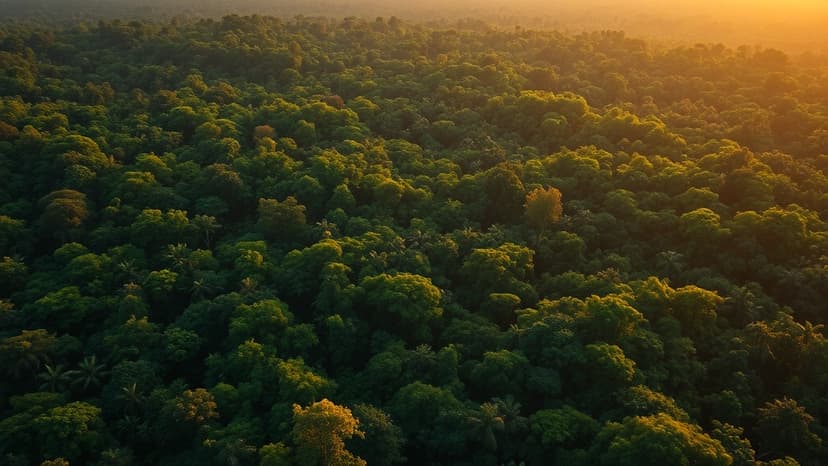
In 2005, Swedish-British billionaire Johan Eliasch made a significant environmental statement by purchasing around 400,000 acres of Amazon rainforest in Brazil. His aim was not exploitation but protection, acquiring a logging company to halt commercial operations on the land. This bold move near the Madeira River immediately stopped logging activities on the purchased tract.
The acquisition garnered international attention, drawing praise from environmentalists for its innovative approach to conservation. However, it also faced criticism regarding foreign land ownership and sovereignty concerns, prompting wider debates on the role of private capital in preserving natural resources, especially where government enforcement is perceived as weak.
Beyond this notable purchase, Eliasch has actively engaged in environmental policy. He served as a UK government representative on deforestation and advised on international climate strategy. His work also includes authoring the influential Eliasch Review and supporting conservation organizations like Cool Earth, which partners with local communities.
While Eliasch's land remains protected, experts caution that private purchases are not a panacea for rainforest protection. They emphasize the need for sustained enforcement, local cooperation, and systemic policy changes. The debate continues, with some critics labeling such actions as "green colonialism," highlighting the complex intersection of wealth, conservation, and national interests in the Amazon.
Eliasch's decision stands as a unique instance of using personal wealth to preserve rather than extract value from land. It poses crucial questions about individual rights to protect untouched land and how private initiatives can complement, or complicate, public environmental policy.