Home / Environment / Can 'Green Attributes' Really Cut Big Tech's Carbon?
Can 'Green Attributes' Really Cut Big Tech's Carbon?
20 Mar
Summary
- New carbon accounting rules may allow tech giants to claim emissions benefits from afar.
- Environmental attribute certificates could support low-carbon cement and steel production.
- Critics worry this approach might enable greenwashing, similar to renewable energy credits.
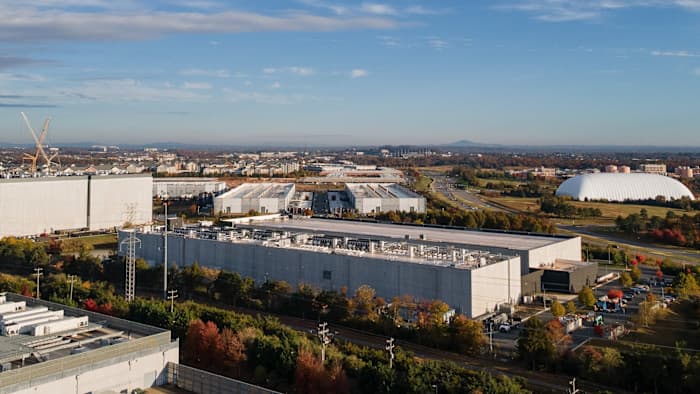
The Greenhouse Gas Protocol is updating its carbon accounting framework, a move that could significantly impact how major corporations report emissions. This revision may introduce environmental attribute certificates (EACs) that allow companies to claim credits for the use of low-carbon products, even if these products are not used within their own operations.
This development is particularly relevant for Big Tech companies engaged in an AI-driven expansion of data centers, which requires vast amounts of carbon-intensive materials. Companies like Amazon, Google, and Meta, through organizations like the Sustainable Concrete Buyers Alliance, are backing EACs to support the procurement of green materials like low-carbon cement and steel.
While proponents argue EACs are crucial for commercializing nascent green technologies in hard-to-abate sectors like cement and steel, critics raise concerns about potential greenwashing. This echoes controversies surrounding renewable energy certificates, where the additionality of the environmental benefit is sometimes questioned.
For EACs to be effective and avoid misuse, strict and transparent rules are essential. These rules will influence their pricing and acceptance. Direct procurement of low-carbon materials, as demonstrated by Amazon's deal with Brimstone, remains a key strategy for supporting sustainable innovation in these critical industries.