Home / Environment / Beef Drives 40% of Ag Deforestation Globally
Beef Drives 40% of Ag Deforestation Globally
25 Mar
Summary
- Beef production is the leading cause of agriculture-linked deforestation.
- Brazil is the top country for forest clearing to expand agriculture.
- Over 121 million hectares of forest were lost from 2001-2022.
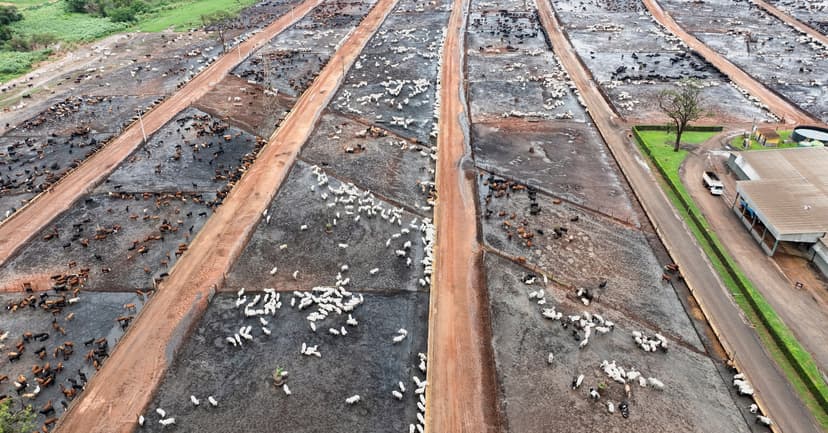
Beef production is the leading cause of agriculture-linked deforestation worldwide, accounting for 40% of all forest clearing for food production.
Researchers from Chalmers University of Technology conducted a comprehensive global survey from 2001 to 2022, analyzing 184 agricultural commodities across 179 countries. Their findings indicate that beef production is the most significant contributor to forest loss.
Brazil, the world's largest beef exporter, is identified as the country with the highest rate of deforestation for agricultural expansion. Following beef, palm oil accounts for 9% of global deforestation, with soybeans at 5% and other commodities like maize and rice also contributing.
Globally, 121 million hectares of forest were lost during the study period, leading to substantial carbon dioxide equivalent emissions. The study highlights that staple crops also contribute significantly, with their impact spread more widely than export commodities.
Action is needed not only through trade agreements but also within producer countries, where domestic markets drive considerable forest loss. While deforestation for agriculture contributes to greenhouse gas emissions, it represents about 5% of the world's total carbon dioxide emissions.