Home / Environment / Warming World Alters Bee Behavior
Warming World Alters Bee Behavior
15 Feb
Summary
- Warmer temperatures slow European honeybee responses.
- Native bees maintain consistent reactions to heat.
- Further research is needed to support pollinators.
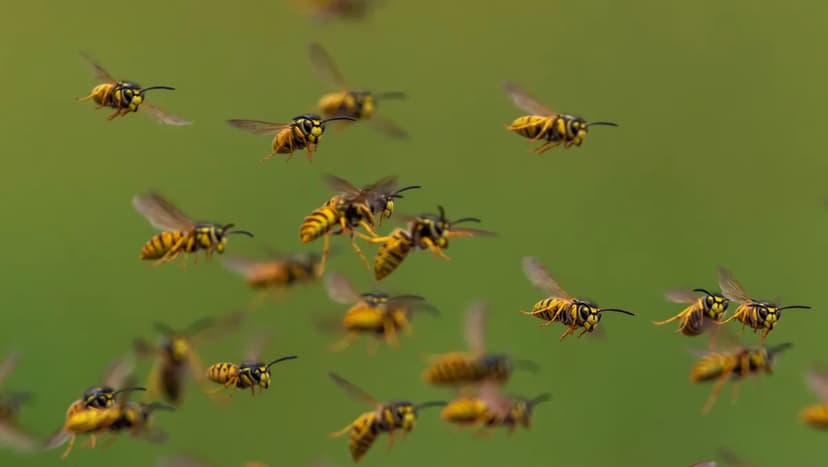
A recent study from Monash University in Melbourne, Australia, has uncovered surprising behavioral changes in bees due to global climate change and habitat loss. Researchers analyzed native bees and European honeybees, measuring their light response under varying temperatures. The findings indicate that honeybees reacted more slowly in warmer conditions, a stark contrast to the consistent response times of native bees.
These behavioral shifts in pollinators are concerning because bees play a crucial role in maintaining ecosystem balance and supporting food production. Similar changes are being observed globally; for instance, bumblebees in Switzerland are emerging from hibernation too early. Bees are also expending more energy by beating their wings harder to cool down, which compromises their pollination efficiency.
The study emphasizes the need for more extensive research into how global changes affect diverse pollinator species. This enhanced understanding is essential for scientists and conservationists to devise effective strategies and provide necessary support for these vital insects. The researchers described their work as a foundational step in appreciating the unique behaviors of non-eusocial bees compared to the more commonly studied honeybees.