Home / Environment / Beavers: Nature's Tiny Climate Engineers
Beavers: Nature's Tiny Climate Engineers
23 Mar
Summary
- Beavers transform streams into powerful carbon sinks by trapping sediments.
- Beaver wetlands can offset significant percentages of national carbon emissions.
- Beavers are rare animals that directly engineer landscapes for carbon storage.
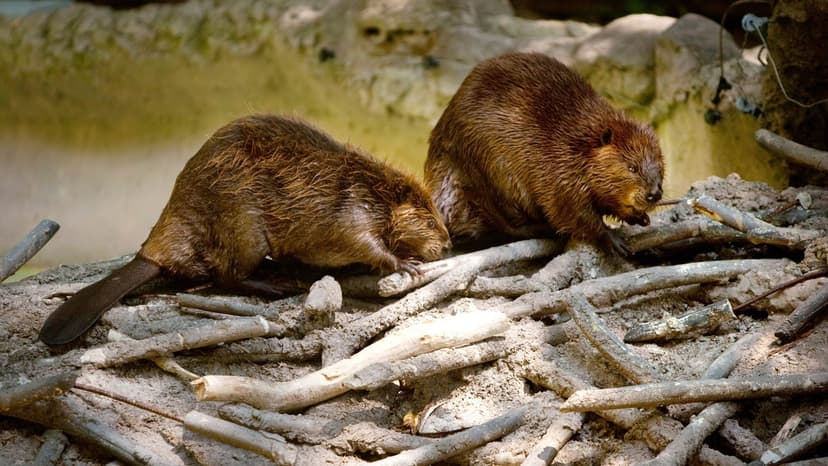
Recent research highlights the significant role beavers play in combating climate change. These industrious animals, through their dam-building, effectively turn streams into potent carbon sinks by trapping sediments and expanding wetlands.
This process fundamentally alters how carbon dioxide, the primary greenhouse gas driving global warming, moves through these ecosystems. By sequestering carbon in soils and sediments, beavers act as natural buffers against climate change.
Studies indicate that beaver wetlands can offset a notable percentage of a nation's annual carbon emissions. This offers a crucial nature-based solution with no active human intervention or financial cost.
Beavers are considered unique ecosystem engineers due to their capacity to reshape entire river valleys. Their resurgence across Europe presents an opportunity to further assess and leverage these environmental benefits for climate mitigation.