Home / Environment / Beaver Wetlands Trump Human Ponds for Pollinators
Beaver Wetlands Trump Human Ponds for Pollinators
20 Dec
Summary
- Beaver wetlands attract 29% more hoverfly species.
- Butterflies visited beaver wetlands 45% more frequently.
- Human-made ponds benefit bees and day-flying moths.
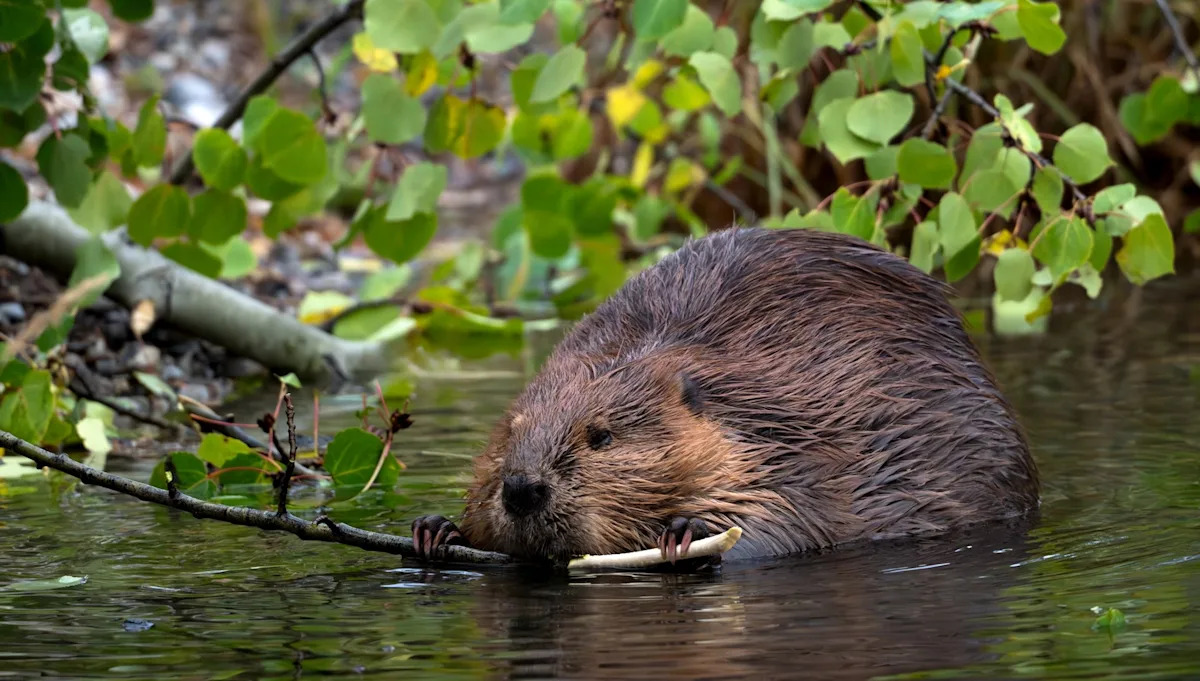
Recent research published in the Journal of Applied Ecology reveals that beaver-built wetlands in Scotland are significantly more attractive to certain pollinators, particularly hoverflies and butterflies, compared to human-engineered ponds. These findings underscore the vital role beavers play in ecological restoration efforts.
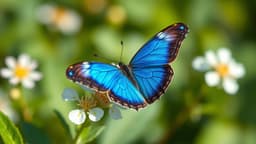
The study, led by Patrick Cook from the University of Stirling, quantified pollinator attraction rates. Beaver wetlands hosted 29% more hoverfly species and 45% more butterfly individuals, demonstrating their superior capacity in supporting these crucial insect groups. This is especially relevant given the global decline in bee populations.
While human-created ponds, such as restored dew ponds in England's South Downs National Park, continue to be valuable habitats for various wildlife including bees and birds, beaver wetlands offer distinct benefits. These natural architects create complex wetland ecosystems that meet specific needs of hoverflies seeking decaying matter and butterflies engaging in mud puddling for nutrients.